100 Percent sanitation in 74 Karnataka villages- Toyota’s ABCD project achieves big goals

By
 Namit Hans
February 4, 2018
Picture Credit: Toyota Kirloskar
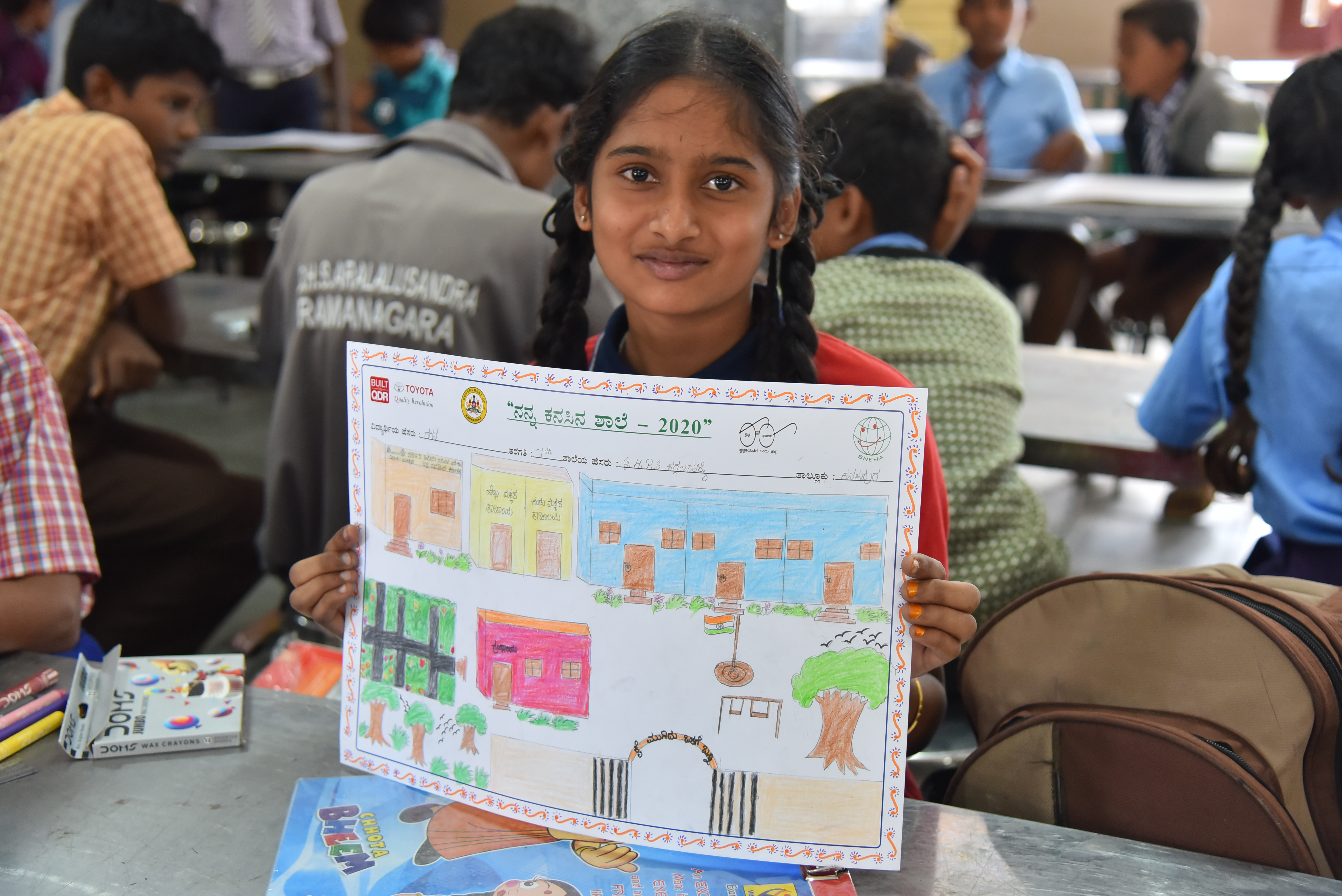
It began with construction of sanitation facilities for students in government schools of Ramanagar District in Karnataka but soon realized that the newly-constructed facilities were left unused because of a lack of awareness among the students. So, Toyota took it one step further and started sensitizing the children. The ABCD project was launched to bring a behavioral change in everyone so that they understood the importance of sanitation units.
India fares poorly, even when compared with some under-developed countries, when it comes to the issue of open defecation. A 2015 NSSO survey has revealed that more than half of the rural population of India still defecates in the open. The Government of India has upped its ante with the launch of Swachh Bharat Mission and has set a target of completely eliminating open defecation from the country by October 2, 2019, the 150th birthday of Mahatma Gandhi.
Understanding the importance of this mission, Toyota decided to extend its support to the government and launched the ABCD (A Behavioral Change Demonstration) project in Ramanagara District of Karnataka. The company has set a mission for itself to achieve 100 percent sanitation in government schools of the 251 villages of the district by the end of year 2018.
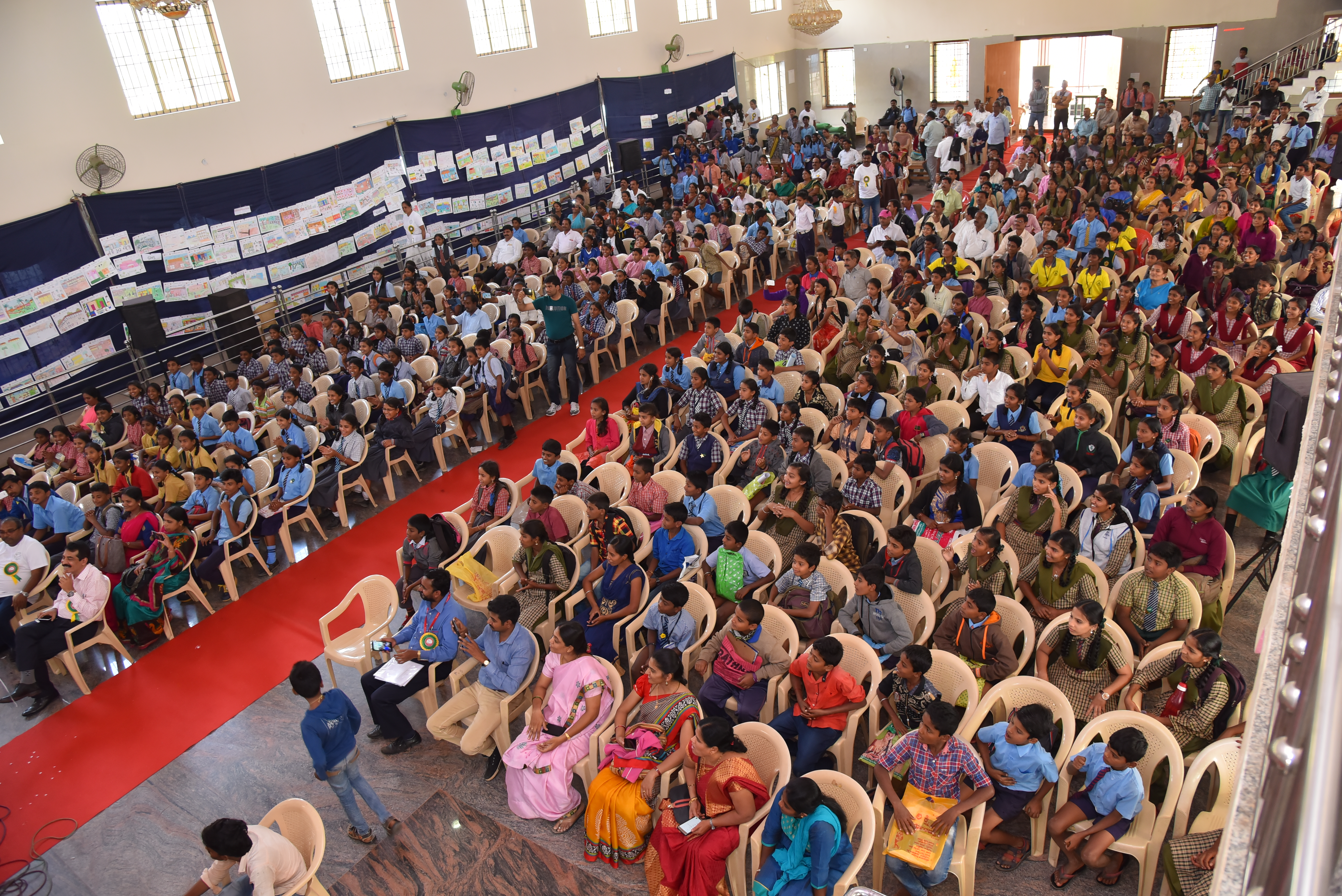
With the support of its implementing agency - SNEHA (Support for Network and Extension Agencies) - a non governmental organisation - Toyota launched the ABCD project in Ramanagar District in June 2014. In less than four years, 724 toilets have been constructed in 193 schools directly impacting 27,370 girl students enrolled in these schools. At the same time, an incredible feet has been achieved by providing behavior change training to over 44,000 children. The impact led to construction of 1366 and 2755 individual household toilets by villagers in the years 2015-16 and 2016-17 respectively.
The behaviour change training forms a crucial part of the entire project as it creates a sense of awareness towards proper sanitation facilities among the community and also exhorts them to take an ownership in maintenance of the sanitation units. The project extends its reach not just to the community, students and teachers but also to other stakeholders like SDMC members, Education Department and Local Gram Panchayat. While the former takes part in ensuring that units are maintained properly, the latter are involved in monitoring through audits and providing support to the community in availing benefits of government schemes.
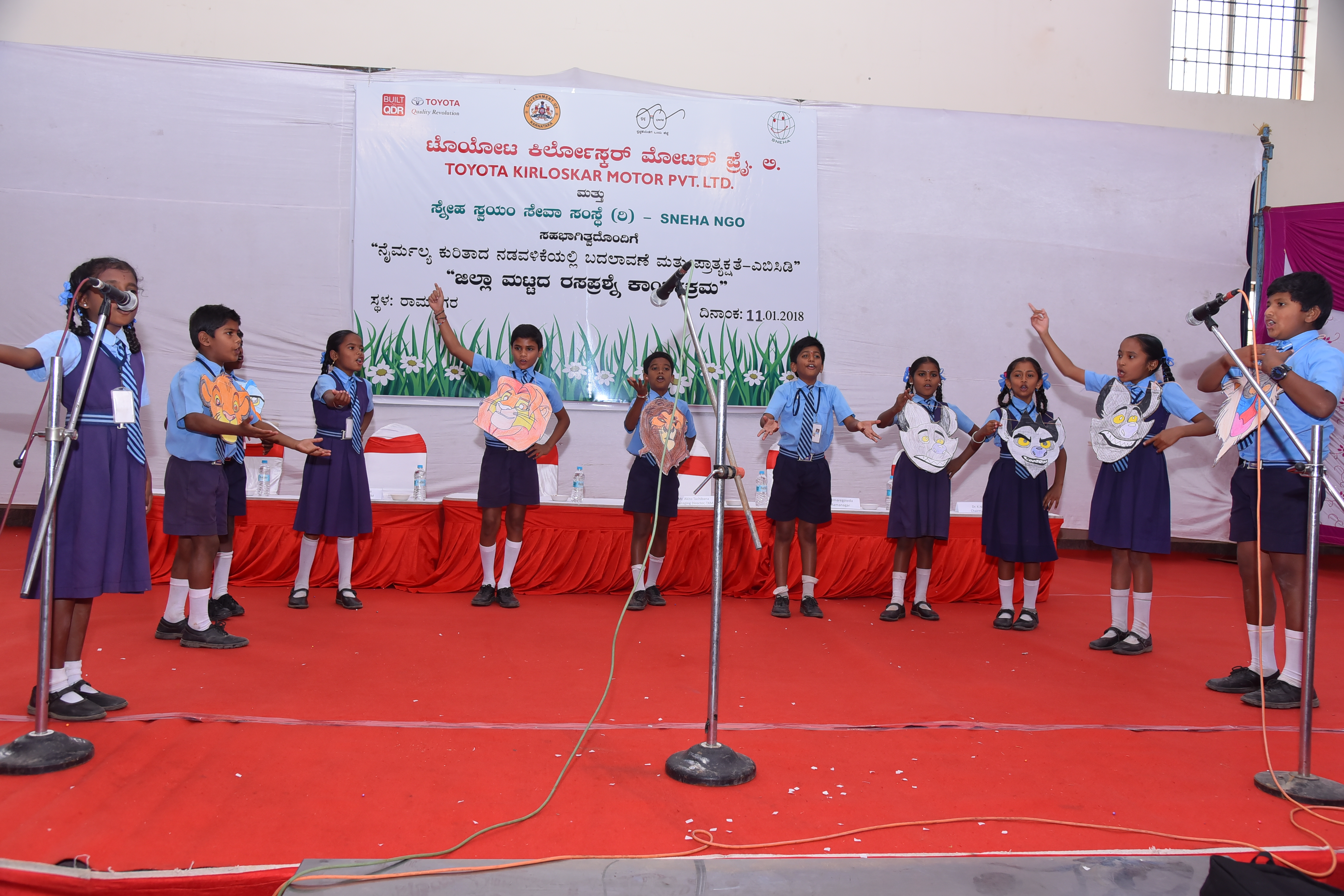
But how does Toyota and SNEHA ensure that the project is sustainable and all the stakeholders remain motivated enough to contribute to its growth?
The model is primarily based on their intervention among the children. It is these children who are prepared as change agents who coerce their families and communities to adopt a healthier lifestyle. Moving further, a rating system has also been put into place to create a sense of competition among different parties. The schools were given zero to three stars based on the level of cleanliness and maintenance of toilets. Those schools which perform better than the rest are given a small monetary reward. The organisation also conducts monthly review meetings and surprise audits are also carried out by its CSR members to fix accountability.
“We handover the sanitation units in the first year of the completion of the construction and introduce ABCD concept in the children to ensure the awareness level on health and hygiene is improved and training on usage and maintenance of the units is given to school children. The sustenance of the learnings and maintenance of the sanitation units is ensured through surprise audits of the sanitation units at school, based on which the schools are rated and awards are announced for the best schools,” the organisation states.
Toyota aims to declare Ramanagar District 100% Open Defecation Free and then expand its model to nearby districts. It has invested a significant share of its CSR budget in ABCD project and continues to support government’s Swachh Bharat Mission. The focus on girl students and construction of segregated sanitation units especially for them is expected to bring a revolution in the villages covered by Toyota. Proper sanitation facilities not only help in controlling the drop-out rates of girl students but they also give them a sense of dignity and protection. This is a basic facility needed in every school and Toyota’s ABCD project makes sure the students of Ramanagar District in Karnataka are not devoid of it.
Impact-Story is a series on development and CSR interventions leading to some impacts on the ground. If you have a project, innovation or intervention that has changed the lives of a few people or a community, please share a brief note at csr@ngobox.org. Our Team will get back to you after validating the information for a detailed coverage.

More Stories

CSRBOX is India’s leading CSR knowledge and impact intelligence driven media platform for the development community. It serves as an enabler, encouraging collaboration and partnerships between CSR stakeholders. Here, we connect and inform over three million professionals through our online platform, and bridge information gaps by providing a range of services for Corporate, NGOs and Social enterprises, to enhance their capacities, aid collaboration, plan projects, publish knowledge resources, conduct research, amplify their reach and much more.
Submit CSR News
Please submit your CSR news, CSR impact story ideas to us. Our Team will get back to you within 6-12 working hours. You can also email us at info@csrbox.org© Renalysis Consultants Pvt Ltd. All Rights Reserved | Powered by NGOBOX