AmritaSeRVe - Serving the underserved !

By
 Jyoti
Jyoti
August 24, 2019
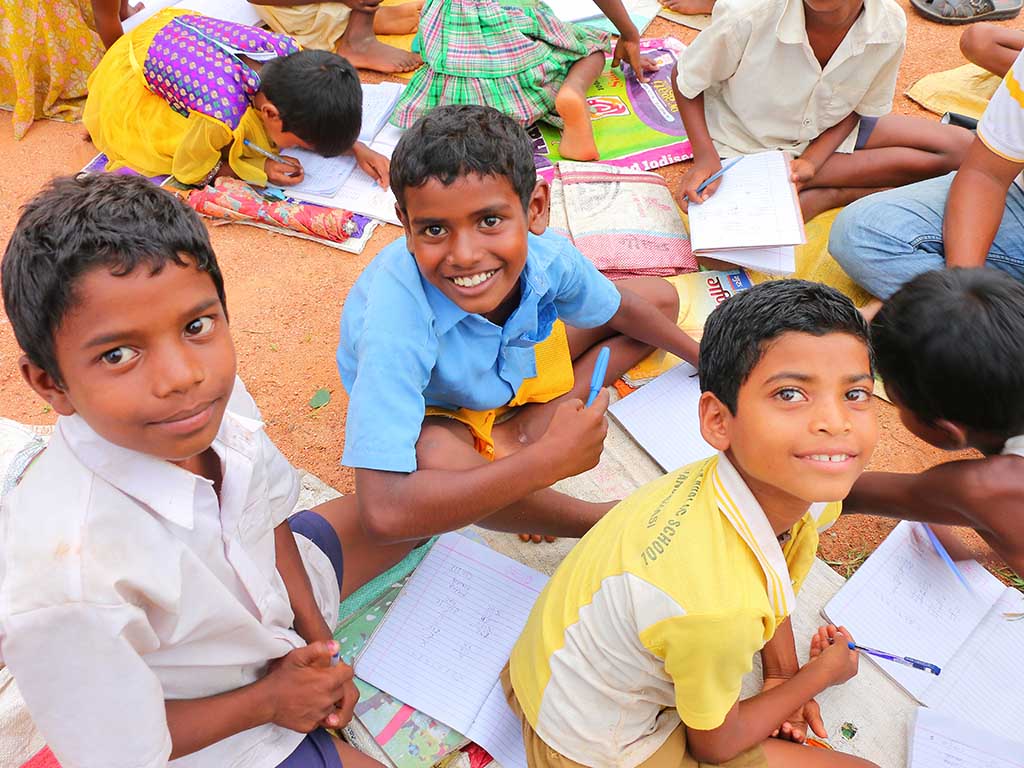
Village children attending education centres set up by AmritaSeRVe
‘It is our villages that sustain us by providing those who live in cities with the nourishment needed in order to survive. However, today, we are just exploiting villages and casting them aside. It is time to acknowledge that villages are our very foundation and we need to move forward with heart and one mind to protect and serve them.’ – Amma
India has world’s largest rural population. Its vibrant and rich culture is rooted in age old traditional wisdom and ancient knowledge. However, India is also a nation of striking contrasts. Of its 1.34 billion populations, 68% live in the villages. That makes more than 900 million people in rural pockets- practically living unseen and unheard. They feed the country, yet most cannot cover their own basic needs nor do they access to even a mediocre education or healthcare. Crop failure and debt burden have forced many over the edge.
In 2013, cases of farmer suicide rose alarmingly, forcing the nation to stop and take a hard look at the villages. In response to the survivors, Amma launched the AmritaSeRVe Village Adoption project with two main objectives-
· Meet a village’s basic need
· Make it independent and self-reliant
Amrita University’s research facility was also resourced to come up with sustainable, multi-disciplinary solutions for village needs. Their work is aligned with the United Nations’ Sustainable Development Goals and has seven focus areas- Health, Education, Water & Sanitation, Agriculture, Income Generation, Infrastructure and Self-empowerment.
Health –
Often Primary Health Centres are quite far from the villages. To remedy this, AmritaSeRVe provides a first line of defence. Local women are hired and trained by the healthcare professionals. They conduct regular home visits and maintain vital health indicator records for each villager. The pregnant women are closely monitored, ensuring proper antenatal care through the primary health centre, medical camps are organized. Cleanliness and personal hygiene practices are taught.
Education –
84 million children are out of school in India. In tribal areas, 50% of them will drop out before finishing elementary education. After-school education centres have been set up, educated local people are trained and hired as teachers, and low-cost tablets are being used, thereby providing better instruction as well as reducing the rural-urban digital. In recognition of their literacy and education work in tribal areas, Amrita was declared a Centre of Excellence in Tribal Empowerment by the Ministry of Tribal Affairs, Government of India. They ensure that all girls continue in school instead of working in the field or at home. Adults are encouraged to participate in literacy classes that provide them with functional literacy.
Water & Sanitation –
More than 2.5 million villagers do not have access to clean water. Women and girls walk miles to bring home clean water for cooking and drinking. AmritaSeRVe has implemented low-cost water distribution systems. They have also started installing filtration stations for drinking water in 500 villages.
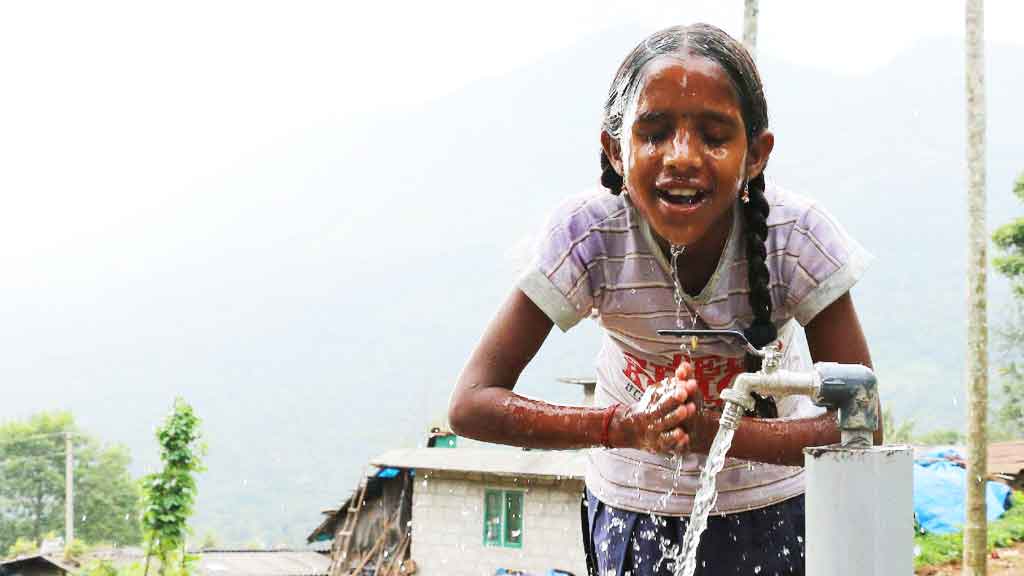
A girl using WASH facility as provided by the project AmritaSeRVe
Sanitation & Women Empowerment –
In 2015, 70% of villagers did not have a toilet. The lack of toilets raised major health, safety and vulnerability concerns for one section of the population in particular – women. The women were trained to build their own toilets. For many women, it was the first time in their lives that they felt they could achieve something. Many broke prevalent gender stereotypes and now use their newly-acquired skills to earn a livelihood. Villages have now been declared Open Defecation Free, inviting special commendation from the President of India, Shri Ram Nath Kovind. Amrita’s women empowerment model was hailed by the United Nation’s UNDEF as a ‘role model for the entire world’.
Infrastructure –
AmritaSeRVe is building houses in villages for those in need and illumining rural homes with renewable energy solutions such as solar and hydro energy.
Agriculture –
Small-scale farmers often rely on middlemen to sell their produce, which exposes them to many types of exploitation. To remedy this, AmritaSeRVe has created agricultural societies. Farmers understand the dangers of chemical fertilizers and pesticides but they are often powerless to break out of the cycle. Involving government and local authorities to support sustainable agriculture, AmritaSeRVe empowers farmers and protects the environment by promoting organic farming and supporting the sale of the produce.
Income Generation –
India’s traditional culture of honouring women has slowly diminished with time. To restore the balance and to empower women, Amrita has helped rural women set up Self-Help Groups. Women have been trained in vocational skills such as bamboo weaving, tailoring, etc. Women were encouraged to set up small businesses such as producing lemongrass oil and eco-friendly menstrual pads out of banana fibre.
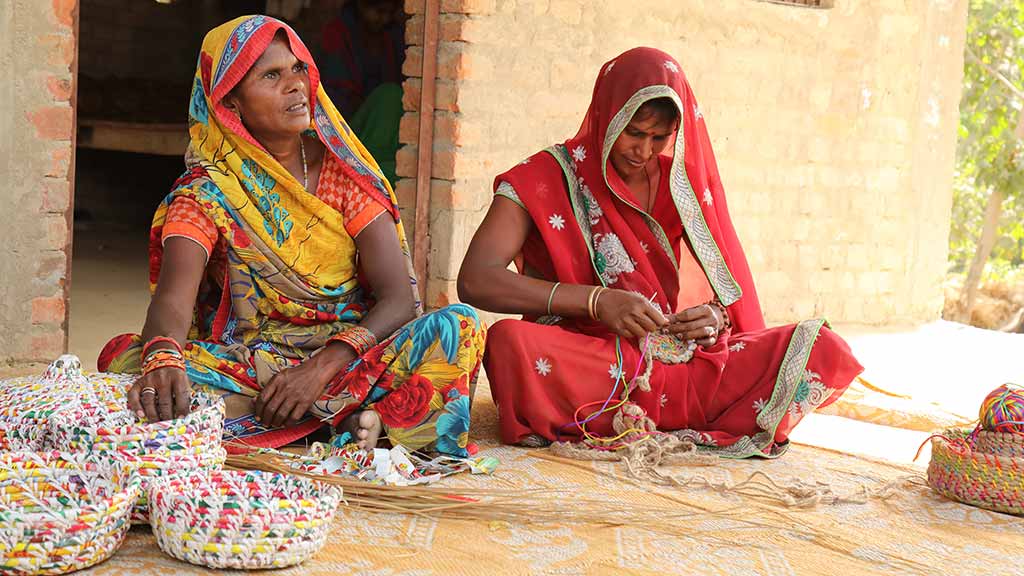
Village women exploring livelihood opportunities to make themselves financially independent
Along with the seven fields of action, Amma also requested University students to spend some time in villages to understand the problems. Students who volunteered for the program were moved by their real-life experiences with the poorest of the poor. Many are now engaged in research, working to find sustainable solutions to deep-rooted rural problems.
If the story is resonated with you, please share
Impact-Story is a series on development and CSR interventions leading to some impacts on the ground. If you have a project, innovation or intervention that has changed the lives of a few people or a community, please share a brief note at csr@ngobox.org. Our Team will get back to you after validating the information for a detailed coverage.

More Stories

CSRBOX is India’s leading CSR knowledge and impact intelligence driven media platform for the development community. It serves as an enabler, encouraging collaboration and partnerships between CSR stakeholders. Here, we connect and inform over three million professionals through our online platform, and bridge information gaps by providing a range of services for Corporate, NGOs and Social enterprises, to enhance their capacities, aid collaboration, plan projects, publish knowledge resources, conduct research, amplify their reach and much more.
Submit CSR News
Please submit your CSR news, CSR impact story ideas to us. Our Team will get back to you within 6-12 working hours. You can also email us at info@csrbox.org© Renalysis Consultants Pvt Ltd. All Rights Reserved | Powered by NGOBOX