Conservation of Indian Pangolin through Community Participation in Konkan region Maharashtra, India

August 11, 2020
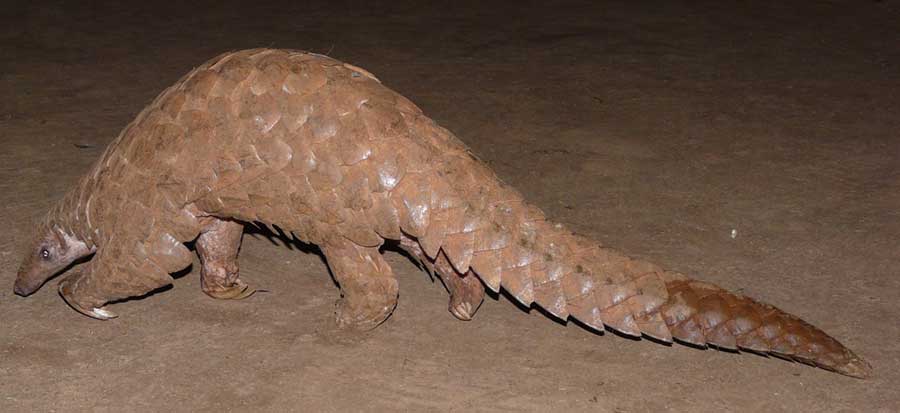
The Indian Pangolin
Sahyadri Nisarga Mitra (SNM) is a one of the most renowned organisation in the field of biodiversity conservation in India. SNM is engaged in conservation through education, community participation, and research. SNM initiated conservation work from pristine konkan region in northern western ghat of coastal Maharashtra, India. In July 2015, 44 Kg and in February 12 Kg of Indian Pangolin (Manis crassicaudata) was seized by the Maharashtra state police department and forest department.
Indian Pangolin (Manis crassicaudata) is protected under schedule I species of Wildlife protection Act 1972 and listed as an endangered species as per IUCN red list of threatened species. Indian Pangolin is insectivorous, solitary, shy, nocturnal and fossorial burrow species. Pangolin body is covered with thick rigid keratin scales, species turn into a ball and scale act as a defense during the threat. The name Pangolin comes from the malayan word penggulung which means “roll”. Pangolin scales and bushmeat has a great demand in international market for traditional Chinese medicine, delicacy of bushmeat and luxurious product. Pangolin is listed under appendix I species list as per the CITES () due to increases in international trade of live pangolin, scale, and bushmeat to fullfill international market demands. It is believed by the Traditional Chinese Medicine and Asian traditional medicine from scales and other body part of Pangolin used to cure aphrodisiac and other human diseases. There is no scientific evidence for use of scales and body parts as medicine to cure disease as species scales are made up of Keratin protein the same protein found in human hair and nails.
The footsteps of traffickers and poachers had reached in Konkan region, Northern Western Ghat of coastal Maharashtra India, was noticed through the repeated seizure incidence instigate SNM towards Pangolin conservation through community participation. SNM came to know species is very little known, ignored and very least studied species behavior, ecology, distribution and habitat across the nation. SNM primarily focused to raise awareness within major stakeholder such as local community, tribal community, Educational institute and front line law enforcement agencies.
SNM educated and sensitized 955 villages in Konkan region of northern western ghat of coastal Maharashtra India through workshop, meetings with villagers and village heads, attended gramsabha meetings to raise species awareness. Random sample questionnaire survey of the villagers to create presence and absence baseline data across the region. Every year the third Saturday of February month SNM celebrate World Pangolin Day to outreach mass awareness.
Print media were used to educate and sensitized community SNM published and distributed designed special information leaflets in local language(Marathi) across the region to villagers. 300 Eco-freindly specially designed awareness board in local language (Marathi) displayed across the region to outreach mass awareness. Article published in Local and National newspaper increase the plight of the species within community. SNM conservation article on species is published in renowned Sanctuary Asia and Planet untamed magazine. SNM released Indian Pangolin (Khawalu) mascot to outreach mass awareness nationally and globally.
SNM had used every source of medium Digital media to outreach within community a short documentaries were developed in local(Marathi) language and international language(English). SNM had raised awareness on radio Aakashwani and the earth radio podcast. E-books of pictorial story book was developed in local (Marathi) language and international (English) language to sensitized community regionally, nationally and globally.
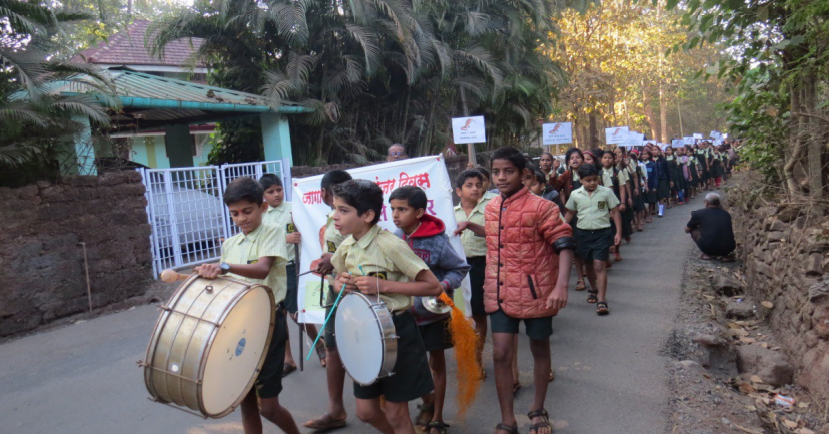 School student Rally to raise the voice for the conservation of the Indian Pangolin
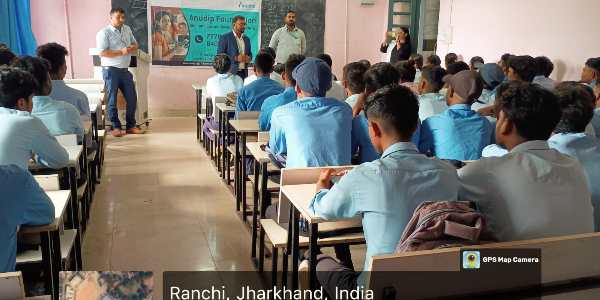
SNM educated 45 educational institute through lectures, presentation, documentaries and various quiz, essay writing, drawing competition. Students participated in competition appreciated through rewards and participation certificate. SNM understand the role of students in future conservation of native biodiversity impacting on education system SNM introduced a chapter “Nightout with baby Pangolin” in 7th standard English textbook every year reached to 1.6 millions of student. In collaboration with Forest department published pictorial story books on Indian Pangolin. The Pictorial story book is distributed in 3552 schools across the region.
SNM very well aware of tribal and local forest dweller has immense traditional and cultural knowledge of native biodiversity. During village meetings and questionnaire survey identified tribal and local forest dweller to track species indirect sign(scratch, scat) and living burrow with the help of traditional knowledge. Tribal and local forest dwellers track species burrow during field survey and camera trap deployed near the burrow and in habitat to document and collect data on species distribution, ecology, behavior and habitat in wild. 40 camera traps were deployed in the region to monitor species in wild 250 photographs and 100 videos of the Pangolin in wild have been collected so far. Field guide local forst dweller or tribal get its daily wages for per visit and slowly increased their interest towards species conservation. SNM research studies on feeding ecology of the species from the region revealed 7 Ants species as a prey preference diet of the Pangolin.
During conservation activities SNM came to know that local community, forest dwellers and tribal are unknowingly trapped by traffickers and used their traditional knowledge to track species for poaching. Lack of awareness within community about plight of the species involved in poaching for livelihood and medicinal cause towards humanitarian. SNM came up with few alternative sustainable livelihood models apiculture and ecotourism home stay and nature guide which helped community to earn livelihood sustainably converting ground foot soldier of poaching and trafficking into conservationist.
In 2018 SNM hard work results community steps in conservation of Indian Pangolin. Local community started giving protection to the species and started rescuing from their own informed SNM and forest department. Total 17 Pangolin were rescued by the local community and released in wild in collaboration with forest department.
If the story resonates with you, please share
Impact-Story is a series on development and CSR interventions leading to some impacts on the ground. If you have a project, innovation or intervention that has changed the lives of a few people or a community, please share a brief note at shilpi@csrbox.org. Our Team will get back to you after validating the information for a detailed coverage.


More Stories

CSRBOX is India’s leading CSR knowledge and impact intelligence driven media platform for the development community. It serves as an enabler, encouraging collaboration and partnerships between CSR stakeholders. Here, we connect and inform over three million professionals through our online platform, and bridge information gaps by providing a range of services for Corporate, NGOs and Social enterprises, to enhance their capacities, aid collaboration, plan projects, publish knowledge resources, conduct research, amplify their reach and much more.
Submit CSR News
Please submit your CSR news, CSR impact story ideas to us. Our Team will get back to you within 6-12 working hours. You can also email us at info@csrbox.org© Renalysis Consultants Pvt Ltd. All Rights Reserved | Powered by NGOBOX