Dalmia Bharat Sugar creates Sustainable Sugarcane Farming and Efficient Farmers

May 1, 2018
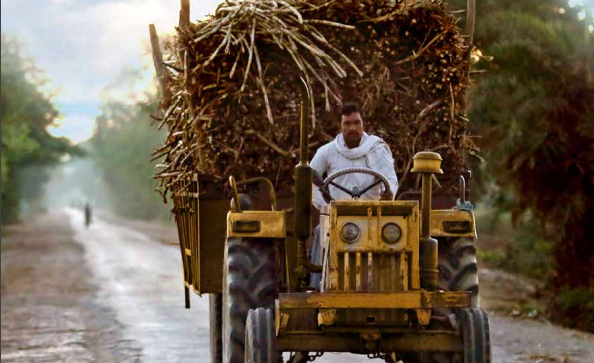
Picture Credit: Dalmia Chini Mills
Agriculture forms the backbone of our country India. It is only right that we as citizens of the country put in our combined efforts to improve the agricultural conditions of our farmers who work day and night so that we can have basic resources. Unfortunately with depleting land assets and increasing family sizes, agriculture in India is turning out to be a less lucrative profession among the new generation. This challenge is becoming a threat to the socio-economic development of many Indian villages and towns which in turn is affecting the national economy. There is an urgent need to make agriculture an attractive profession so that we don’t have to depend on excessive imports or foreign produce. This calls for increased income levels and better livelihood conditions of farmers in the country.
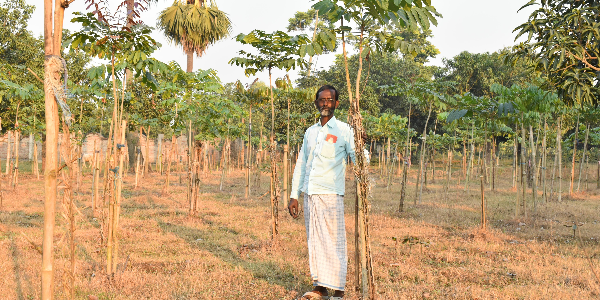
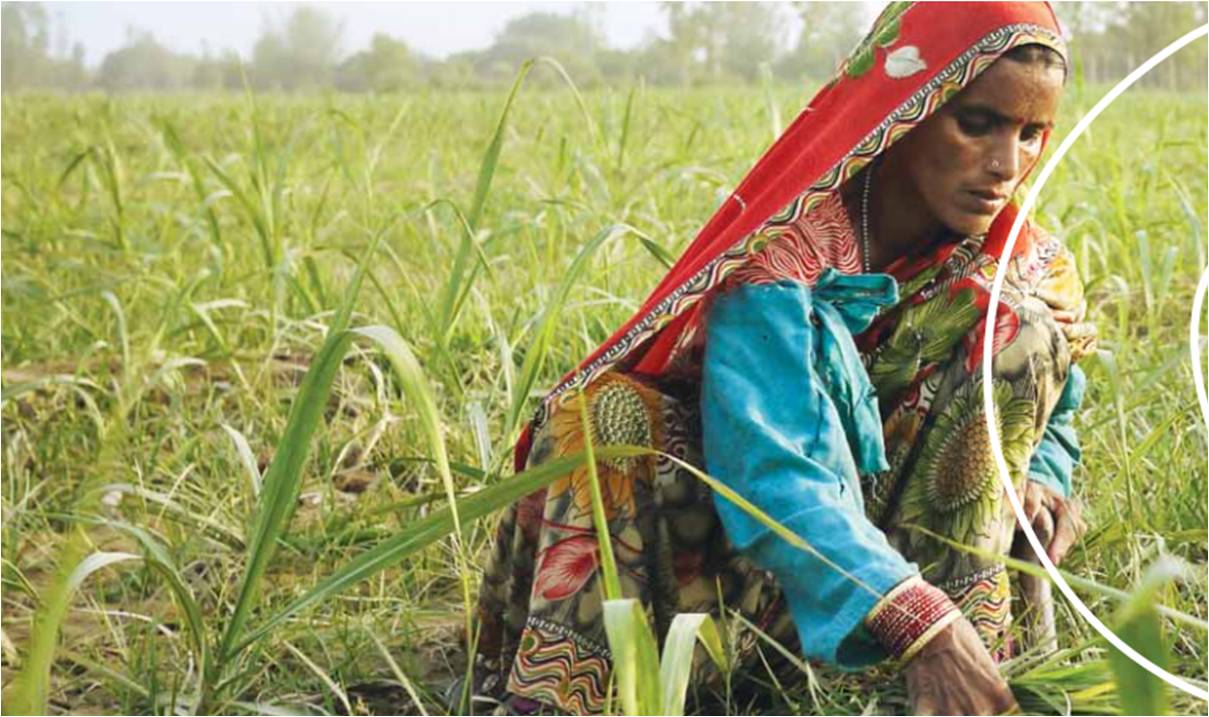
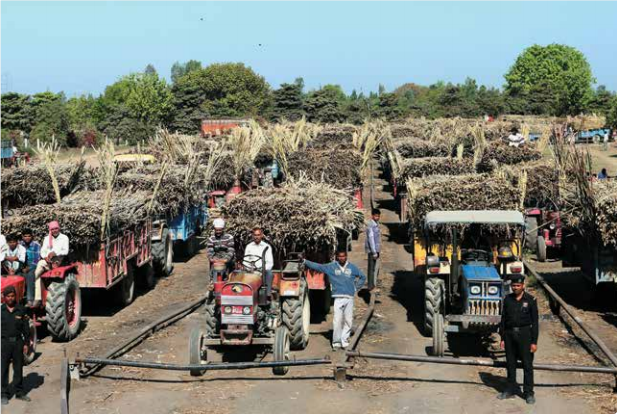
Dalmia Bharat Sugar and Industries Limited (DBSIL) and its Dalmia Chini Mills, Unit in Nigohi came out with project ‘Unnati’ in 2016 as part of its CSR initiative. Unnati was launched with the aim to bring significant and sustainable positive changes in the livelihood of farmers in two districts of Uttar Pradesh – Pilibhit and Shahjahanpur. The organization’s focus was to increase the income of farmers through yield improvisation and sustainable farming practices, thus making the sector more worthwhile for future farmers. Farmers in Pilibhit and Shahjahanpur cultivate sugar cane. DBSIL worked with several farmers in these areas and convinced them to adapt new farming concepts, techniques and methodologies in such a way that their yield of sugar cane could increase by 10 percent. A special objective of Unnati was to consider the environment as well and conserve it in the best way possible. DBSIL ensured that farmers adapted biologically and mechanically controllable pest management processes instead of chemical controls and also used drip irrigation towards conserving ground water resources.
Unnati looks at a holistic development as it includes Soil and Water Conservation, Energy Conservation and Climate Change Mitigation, Livelihood Skill Training and Social Development. When DBSIL stepped in with project Unnati, they realized that the chief reason the younger generation was averse towards the profession of farming was the fact that they were hardly aware about the technological advancements in agriculture. The advent of new seed varieties, irrigation methods, planting techniques, intercropping etc remained untouched by the farmers in Pilibhit and Shahjahanpur. This was leading to lesser interest and consequent low enthusiasm towards the profession of farming. The major challenge faced by DBSIL was to convince farmers to leverage these new advancements and break away from worn-out agricultural methods. By means of village meetings, nukkadnataks, pamphlets, education rallies and many such programs, DBSIL was able to change the mindset of several farmers. A quarterly magazine, GannaKisanPatrika – Nigohi, was also circulated among the farmers to keep them updated about new farming processes.
A number of positive impacts generated through project Unnati. High yielding cane varieties with comprehensive packages and practices were provided to the farmers. This was possible by sourcing quality seeds at subsidized rates, proper seed treatment, better planting geometry to harvest optimum solar energy and other agronomical practices. Another important facet was soil testing. A total of 6,000 samples were analyzed free of cost and farmers were advised about soil fertility and soil health for their fields. Soil health monitoring was introduced which resulted in reduced use of chemical fertilizers. This endeavour significantly contributed to supplement organic farming wherein the wastes of sugar mill i.e. press mud was converted into organic compost.
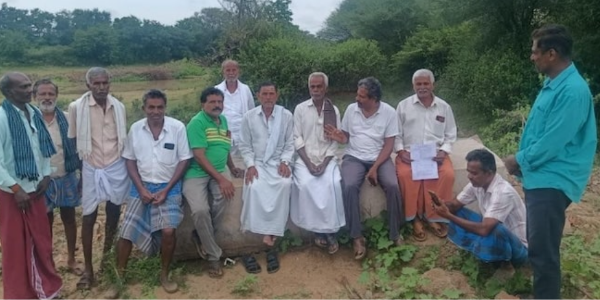
An extremely unique approach by DBSIL was ‘Seeing is Believing’ a DalmiaKisanMitr Club created with 50 promising farmers. These farmers were trained in techno transforms and assisted to model themselves as acquiring higher yield, adapting new concepts of farming. Intermediary suggestions were additionally extended to them on the basis of a continual monitoring of their journey during the project. This social institution is now helping DBSIL to reach out to more farmers, scale up the project and make it sustainable in the long run. Thus DBSIL is looking at the bigger picture of supporting many other farmers to improve their livelihoods and working conditions.
Project Unnati drastically increased the sugar cane yield in Pilibhit and Shahjahanpur from 671.24 Qt/ Hectare in 2015-16 to 745.92 Qt/ Hectare in 2016-17 which is around 11 percent increase in yield. A staggering total of 8,992 farmers are now supplying more cane with the same cane area, a clear indication of increase in yield and profitability to them. Interestingly, the drip irrigation area also increased from 0.8 Hectares in 2015-16 to 12 Hectares in 2016-017 among the same beneficiary farmers.
A certificate of National Energy Conservation Award was conferred to the project in 2016 by the government. The project is expected to complete in 2019 when DBSIL and Unnati aim to reach 20,000 farmers. With the success and positive feedback received, DBSIL hopes to scale up the project to another two locations, Ramgarh and Jawaharpur in Uttar Pradesh reaching out to a total of 60,000 farmers.
India is famous for being a rich agricultural reserve. If such practices and new approaches are further facilitated efficiently and effectively by responsible companies like DBSIL, no farmer in India would have to incur losses and every farmer’s family will surely progress thereby leading to an economically and socially stronger India.
Impact-Story is a series on development and CSR interventions leading to some impacts on the ground. If you have a project, innovation or intervention that has changed the lives of a few people or a community, please share a brief note at csr@ngobox.org. Our Team will get back to you after validating the information for a detailed coverage.


More Stories

CSRBOX is India’s leading CSR knowledge and impact intelligence driven media platform for the development community. It serves as an enabler, encouraging collaboration and partnerships between CSR stakeholders. Here, we connect and inform over three million professionals through our online platform, and bridge information gaps by providing a range of services for Corporate, NGOs and Social enterprises, to enhance their capacities, aid collaboration, plan projects, publish knowledge resources, conduct research, amplify their reach and much more.
Submit CSR News
Please submit your CSR news, CSR impact story ideas to us. Our Team will get back to you within 6-12 working hours. You can also email us at info@csrbox.org© Renalysis Consultants Pvt Ltd. All Rights Reserved | Powered by NGOBOX