Integrated Village Development Program : A Joint Journey Towards Development

By
 BAIF Development Research Foundation
August 6, 2021
BAIF
The Integrated Village Development Project (IVDP) is a collaborative effort of four stakeholders viz the Government of Maharashtra, Tata Motors Limited (TML), BAIF Institute for Sustainable Livelihoods and Development (BISLD) and the Pathardi Grampanchayat in Jawhar taluka of Palghar district of Maharashtra, who is inhabited by the tribal community. There are 796 families and 3163 population in six villages.
This collaborative project was initiated in the year 2018 for addressing issues such as lack of sustainable livelihood opportunities, water scarcity, low agricultural productivity, malnutrition, lack of access to basic medical services and limited access to higher education faced by the community.
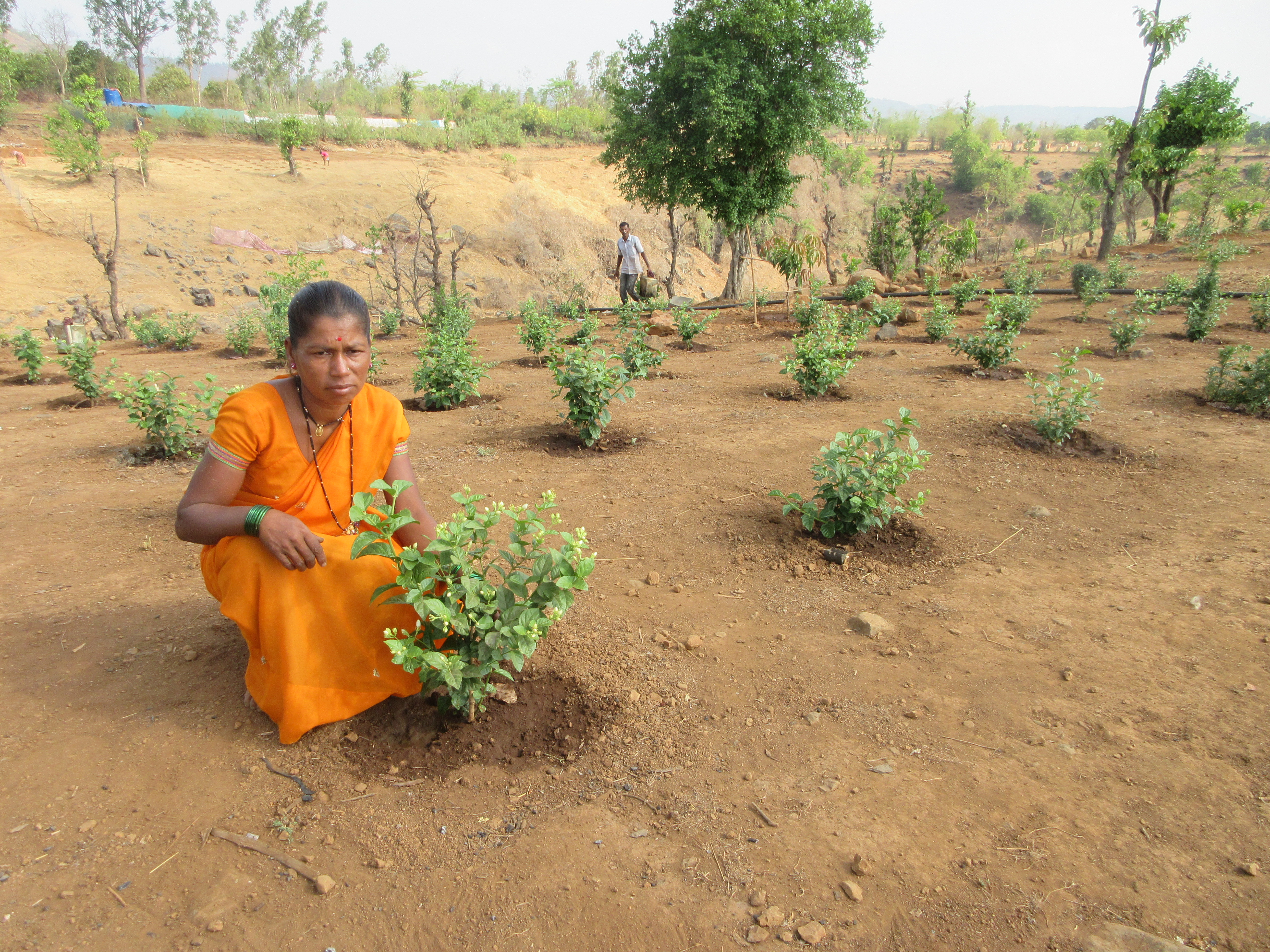
The project aims to achieve increased food and income security, improvement in the asset-base of the tribal population, reduction in the vulnerability of the tribal population to economic shocks, and improvement in the quality of the tribal community in the project area.
The uniqueness of this collaboration is the joint efforts of these four stakeholders, where the district administration of Palghar district has assured to provide Rs. 1367.28 Lakhs (87%) implementation of various schemes of the government routed through different line departments. TML which is contributing to this project under its corporate social responsibility initiative (CSR) has assured to contribute Rs.201.58 lakh (12.5% of the budget) and community contribution Rs.0.9 Lakhs (0.5%).
The district administration of Palghar district has entered into a formal memorandum of understanding (MoU) with TML for assuring benefits to the community by converging with various government schemes. Such a formal assurance by the district administration to the project budget for the initiative under CSR may have happened for the first time in Maharashtra.
BISLD, an associate organization of BAIF Development Research Organization provided techno-managerial support to the project based on its experience of working with the tribal community for the last fifty years. The Grampanchayat of Pathardi village was involved in ensuring active participation of the village community by creating necessary awareness generation among the community for creating a conducive atmosphere in association with local non-government organizations like Aroehan and Suprabhat Mahila Mandal.
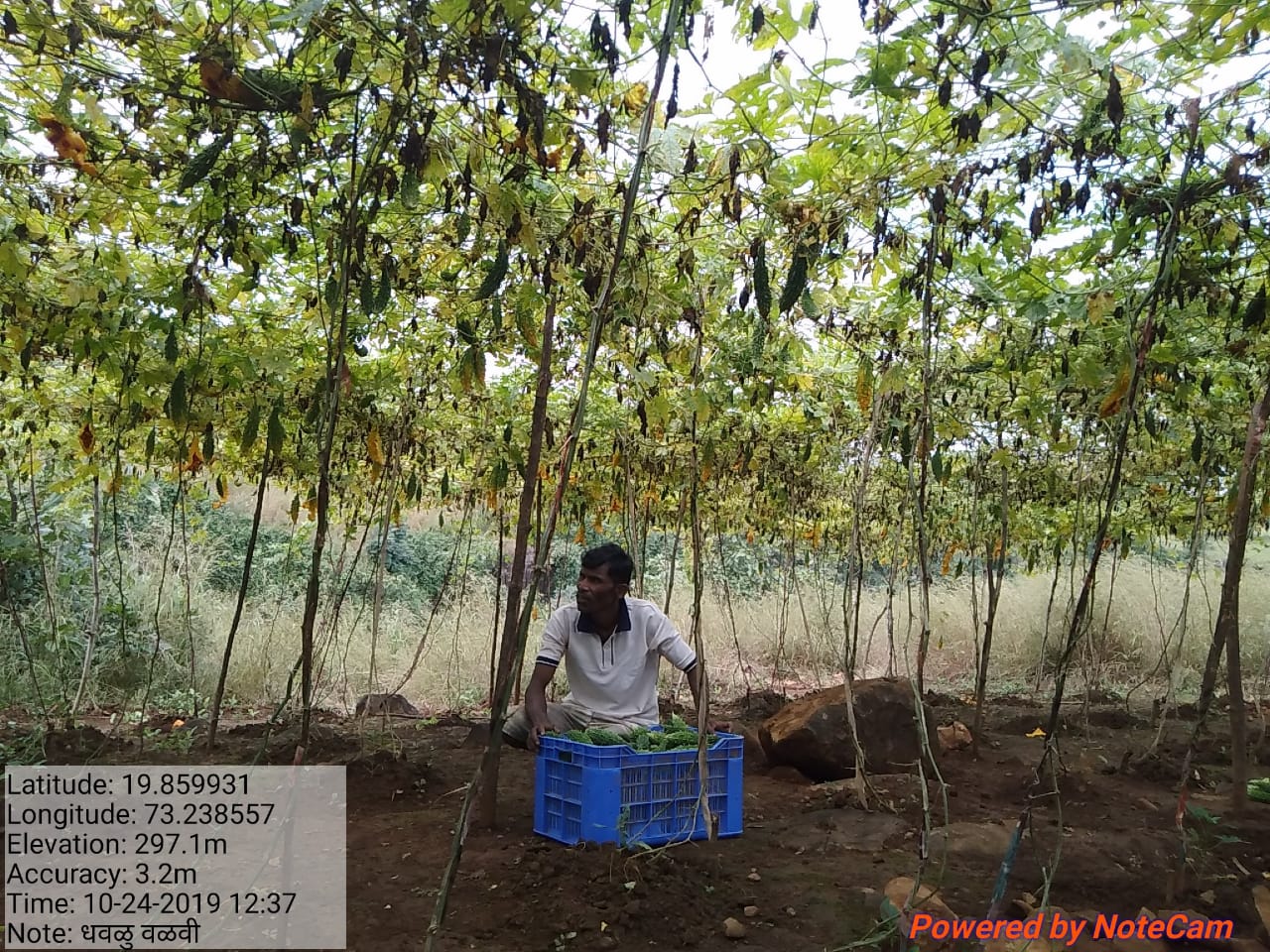
The project activities were implemented as per the comprehensive village development plan prepared in consultation with the community and line departments of the government. The project implementation team of BISLD ensured that all the activities are completed as per the set timelines.
The project was monitored jointly by all the stakeholders continuously. A midline assessment was undertaken for understanding the progress vis-à-vis the baseline situation. The baseline situation was captured through an elaborate study undertaken before initiating the project.
There were some hurdles such as delay in approval and implemnation of the activities while working with different stakeholder which were resolved within specified time thorugh regular meeting.
In the three years of project implementation, the district administration has been able to mobilize government funds valued at Rs. 561 lakhs (71.64%) through programmes such as Mahatma Gandhi National Rural Employment Guarantee Act (MGNREGA), PMIAY, Agriculture Department, Tribal Development Department, Minor irrigation, Panchayat samiti and ICDS.
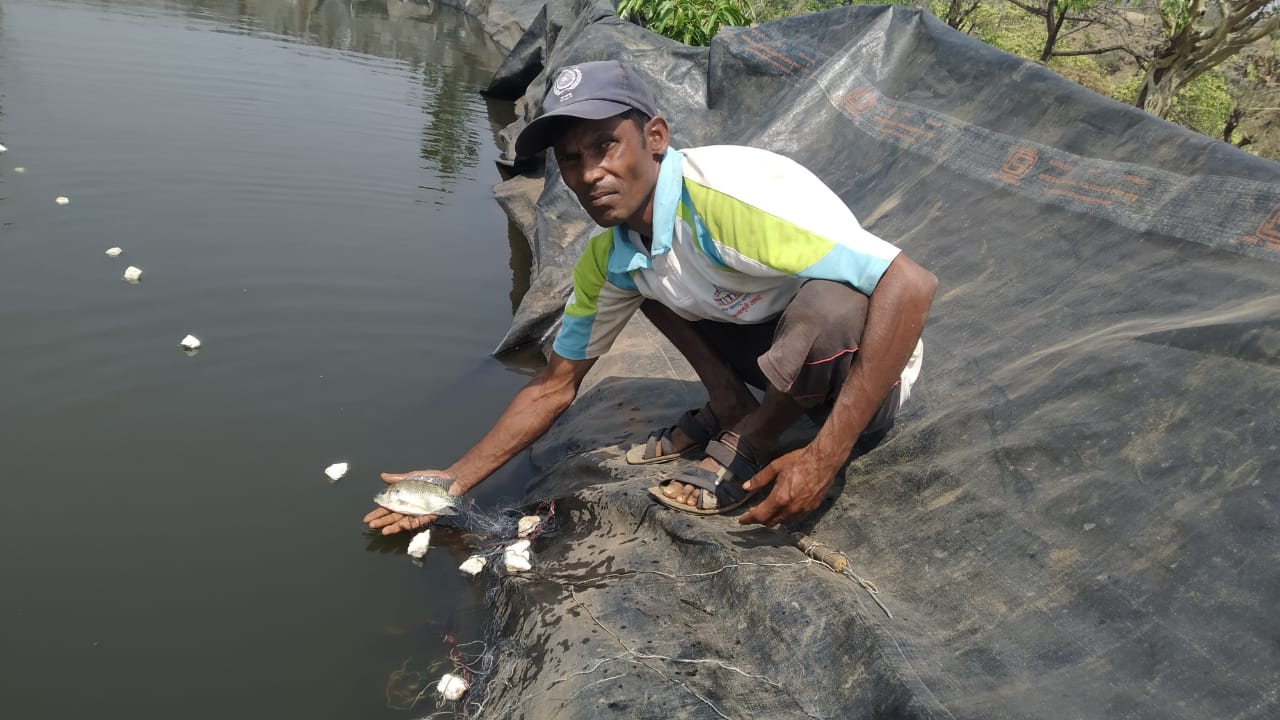
TML has undertaken works such as agriculture development, water for irrigation, tree based farming, livestock development, women empowerment,governance and enterrunarship amounting to Rs. 213 lakhs(28.21%) and Rs.1.2 Lakhs (0.15%) contribution y community.
The impact of the project :
Other Impacts
The impressive outcomes of this unique initiative show a new pathway way for achieving quality impacts in a short period.
Beneficiary:
|
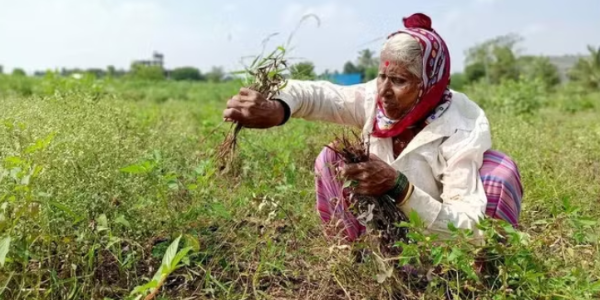
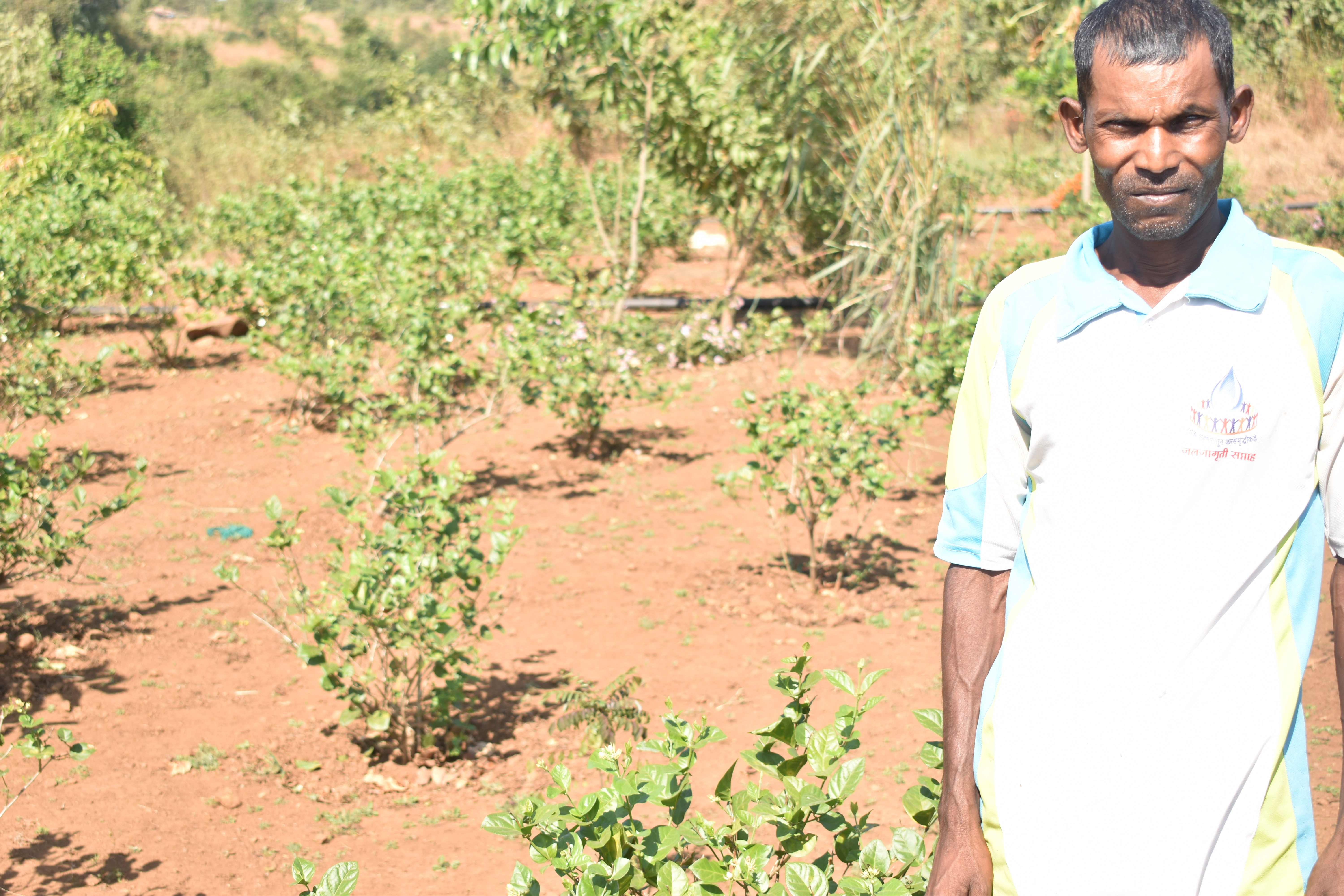
A Standard X drop out, Dhavlu Deu Valvi of Ramkhind village, Pathardi Gram Panchayat at Palghar, once struggled to feed his family of six from a five acre holding, of which only three acres could be used for cultivation. When Tata Motors and its implementation partner BAIF introduced the Integrated Village Development Programme in his village, Dhavlu was one of the early adopters of its integrative farm techniques. A member of a Scheduled Tribe, like many of his fellow farmers from the area, Dhavlu used traditional farming techniques they inherited to til his bare and rocky land, with little access to irrigation water. Caught in the vicious cycle of low yields and low incomes, these farmers barely earned a living during the farming season from growing seasonal, rain-fed crops. Consequently, once the agricultural season got over to augment family incomes, they were forced to leave behind their familes to migrate to neighbouring towns and cities as labour. Dhavlu would work as a labourer, installing electrical towers in Thane, Mumbai and Nasik. This is before Tata Motors and BAIF introduced the Integrated Village Development Programme or Pathardi project in 2018. Dhavlu was among the first who agreed to work with the team. Since 2018-19, each year a new initiative has been added with varying tenures for the return on investment. Impact: Multi-cropping converted his barren land into a self-sustainable green farm. Dhavlu’s entire family worked hard to make every initiative a success, contributing immensely with their hard work, a fraction of the meagre resources he had and barren land for the project. Today, not only does Dhavlu earn an income good enough to support his family through the year but is also a role model to many. Farmers from across the district and students from agriculture colleges visit his farm to seek advice and to learn more about his farming techniques. 2 Acres of barren land
|

More Stories

CSRBOX is India’s leading CSR knowledge and impact intelligence driven media platform for the development community. It serves as an enabler, encouraging collaboration and partnerships between CSR stakeholders. Here, we connect and inform over three million professionals through our online platform, and bridge information gaps by providing a range of services for Corporate, NGOs and Social enterprises, to enhance their capacities, aid collaboration, plan projects, publish knowledge resources, conduct research, amplify their reach and much more.
Submit CSR News
Please submit your CSR news, CSR impact story ideas to us. Our Team will get back to you within 6-12 working hours. You can also email us at info@csrbox.org© Renalysis Consultants Pvt Ltd. All Rights Reserved | Powered by NGOBOX