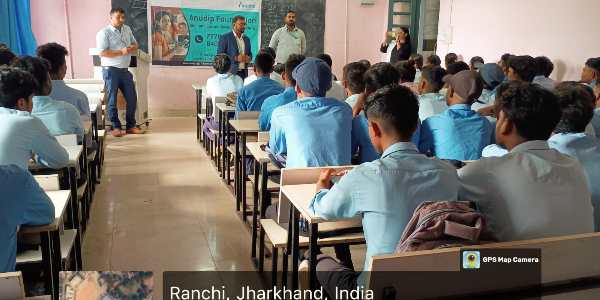
Transforming Education: Dell’s ‘School Adoption Program’ and its grand outreach

By
 Namit Hans
January 26, 2018
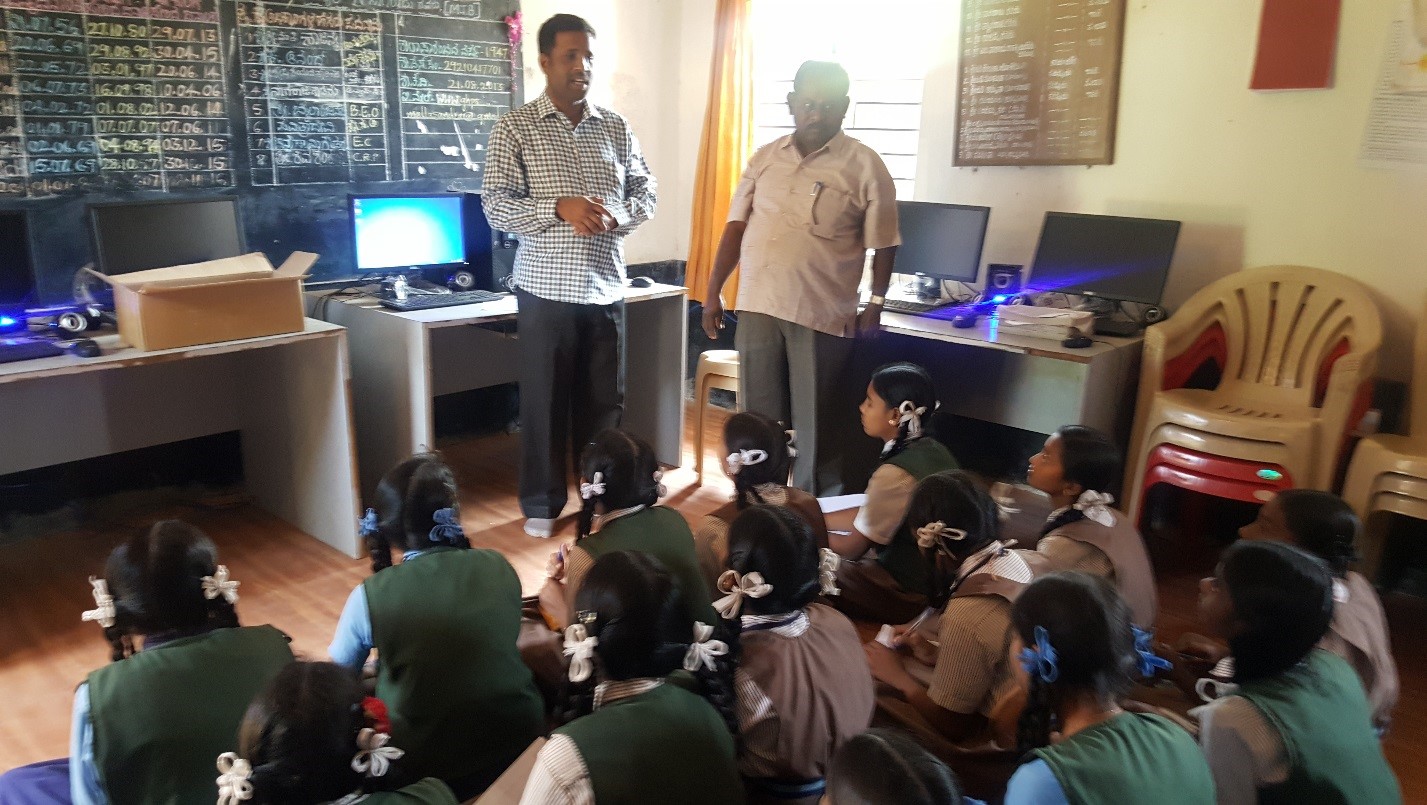
Picture Credit: Dell India
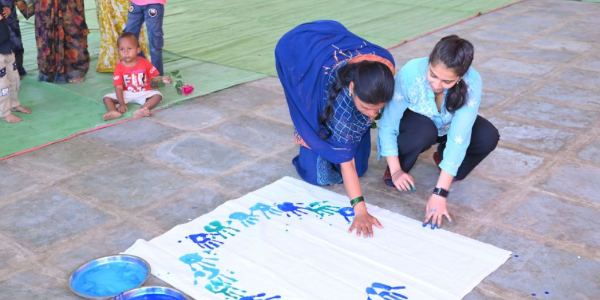
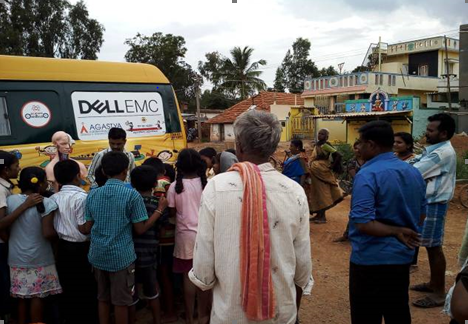
Education is what builds a nation generation after generation and the process begins early on; first at homes/communities and then in the schools. India being a large country with a huge population of school-going children is dependent on its public schooling system largely. With an aim to develop this crucial institution, Dell EMC India began its ‘School Adoption Program’ in 2011. Adopting a school invariably impacts not just the lives of students but also the teachers, the communities and the villages at large.
Keeping this vision in focus, the pilot project of Dell EMC was launched in just one school in urban Bengaluru’s GHPS Garudarcharpallya School. It has been seven years since the journey began and the distance that has been covered in this short time is impressive. Within this period, the ‘School Adoption Program’ spread to over 30 schools in urban Bengaluru directly making a contribution for betterment of 7246 students.
Partnerships and results
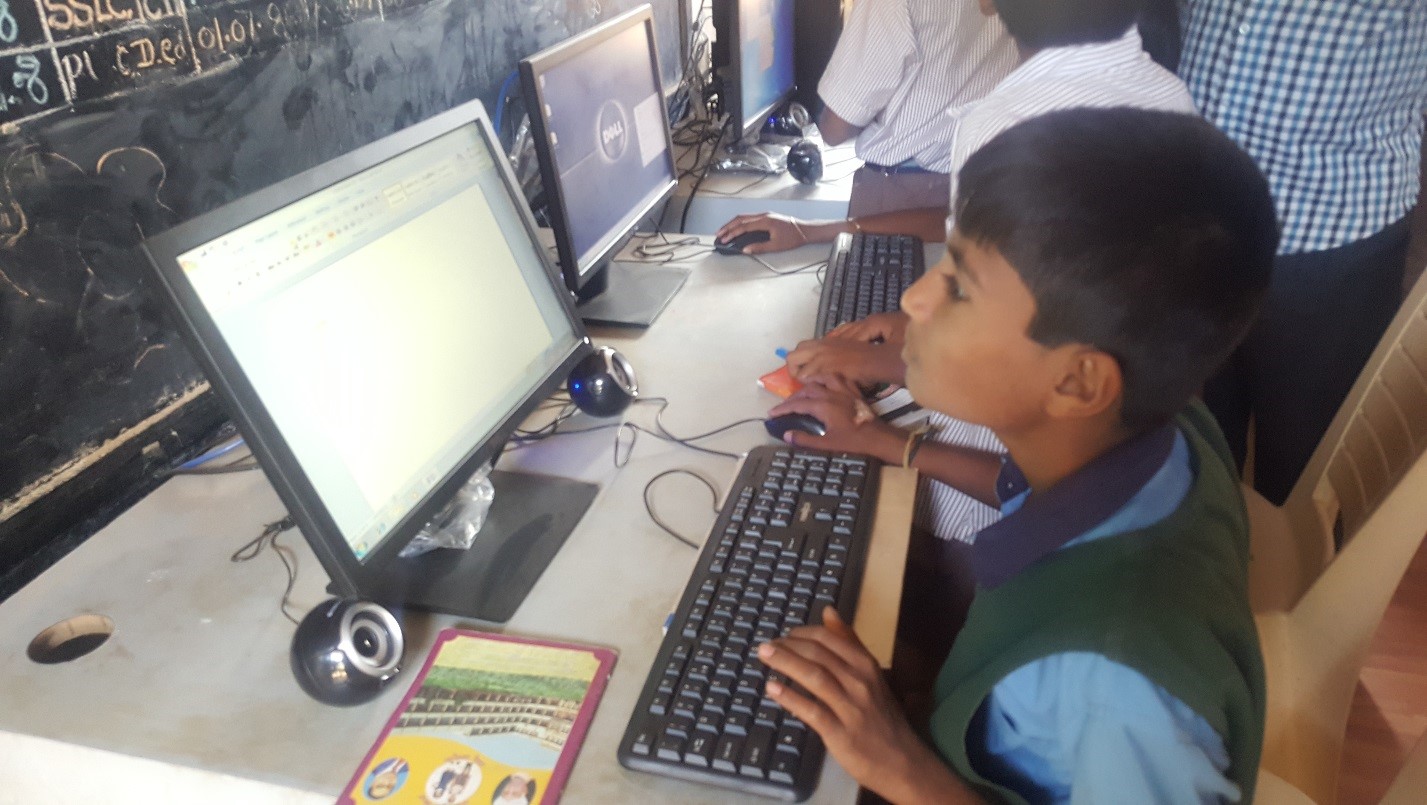
The public school system in India is marred with numerous problems, ranging from insufficient and poor infrastructure, shortage of teachers, lack of training in modern teaching techniques to parents’ apathy and students’ disinterest in studies. Dell EMC, through its flagship project, directly tries to solve all these issues and many more. To undertake this gigantic task, it has partnered with NGOs like American India Foundation, Trinity Care Foundation, Pratham Books, etc.
This fruits of these interventions are being enjoyed by the communities. The number of total community members impacted by School Adoption Program has reached a massive 1,25,129. Inside the schools, the enrollment of students is steadily increasing and the drop-out cases have come down. 216 teachers have been trained by the organisation and there have been other interventions like sanitation, digital learning, health and awareness, etc again impacting thousands of children.
Story of change
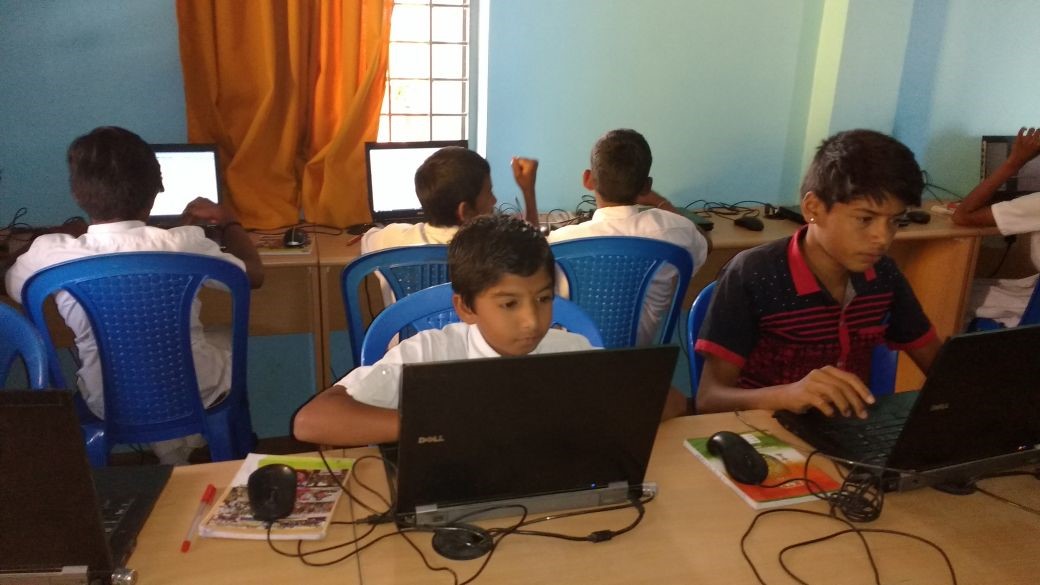
Among the 2000-odd students who benefited by Digital Learning intervention is Sangitha. The only earning person in the five-member family, she worked as a tiffin service woman. The pressure to divide her time between studies and work, and the challenges to support a family was most likely to push Sangitha out of school depriving her of an education and possibly a bright future. However, a new light of hope entered her life after she was introduced to the Digital Learning intervention in her school by Dell, supported by American India Foundation.
Within a brief period, she learned the computer basics and was appointed as Head of School Student Committee. She also became the leader of Swachh Vidyalay activities in her school. The appreciation and recognition by her teachers and organisation members has infused confidence in her and she now aspires to be a math teacher. And, this is just one example among many others where not just students but teachers are also gaining and moving forward with the help of this much needed intervention.
Ensuring Accountability and Sustainability
To run a project on such a large scale requires streamlining of all the functions and regular evaluation to measure the impact. This not only ensures accountability of all the departments but also makes the project sustainable in the long term. Working in this direction, Dell has been using a special M&E technology tool by Goondera Enterprise to track progress of its project in the schools on real time basis.
The reports are prepared on monthly and quarterly basis by trained professionals who share it through mobile phones with the help of internet. These updates are projected on live dashboards to all the stakeholders who then analyse the work done and make decisions to adopt any changes for better implementation of the project.
Goals and vision
These incredible results have been achieved by Dell EMC India Centre of Excellence because of a clear vision and set goals. The long term goals of the organisation include bringing down drop-out rates to less than 5 percent, higher pass percentage and attendance, capacity building of teachers and most importantly a well-functioning infrastructure like toilets, water purifiers, etc.
To achieve this vision of theirs, the total budget allotted for this project in financial year 2016-17 was more than two crores. A total of 92 percent of this amount was solely spent on implementation of the project in the schools. Going forward, the organisation has also adopted a number of other programs to extend its reach to schools located in rural areas. Some of these interventions include sponsoring education of 140 children and also providing proper mentorship, support and career counselling to economically-weaker students in rural areas.
To feed its project and drive it forward, Dell has also encouraged volunteering by its employees creating a volunteering plan for one year. A business unit of the company adopts one village and takes care of all the requisites for implementation of project. Employees not only help in management but also visit the schools regularly to directly interact with students and teachers. In 2017, over 6000 hours were spent by more than 12000 employees of Dell volunteering for its CSR activities.
The company plans to continue its expansion in future and reaching out to more schools. With the examples and results of the past, we can expect more commendable work from them in coming years.
Impact-Story is a series on development and CSR interventions leading to some impacts on the ground. If you have a project, innovation or intervention that has changed the lives of a few people or a community, please share a brief note at csr@ngobox.org. Our Team will get back to you after validating the information for a detailed coverage.

More Stories

CSRBOX is India’s leading CSR knowledge and impact intelligence driven media platform for the development community. It serves as an enabler, encouraging collaboration and partnerships between CSR stakeholders. Here, we connect and inform over three million professionals through our online platform, and bridge information gaps by providing a range of services for Corporate, NGOs and Social enterprises, to enhance their capacities, aid collaboration, plan projects, publish knowledge resources, conduct research, amplify their reach and much more.
Submit CSR News
Please submit your CSR news, CSR impact story ideas to us. Our Team will get back to you within 6-12 working hours. You can also email us at info@csrbox.org© Renalysis Consultants Pvt Ltd. All Rights Reserved | Powered by NGOBOX