More Projects


Tribal Development,Community Development,Agruculture Programs and Others
Expanding Services for Deafblind People in South India
Organization : Sense International India
Location : Andhra Pradesh,Karnataka,Kerala,Tamil Nadu,Telangana
Project Description
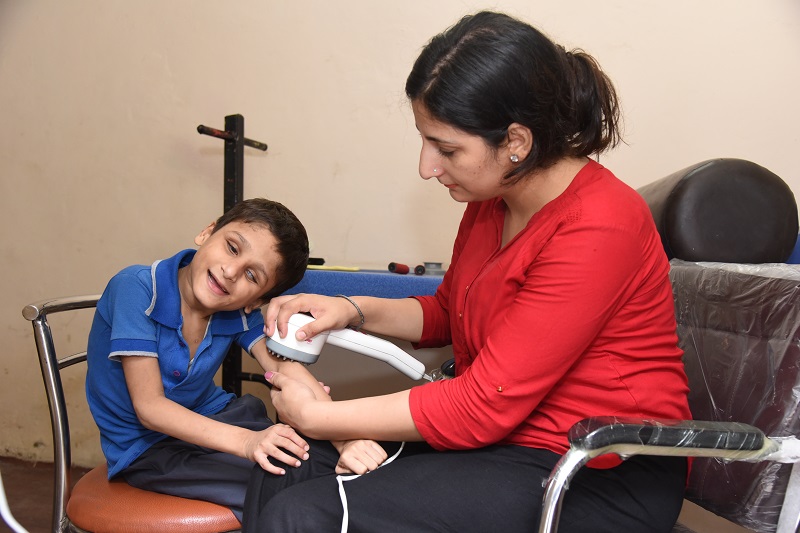
There are an estimated 500,000 persons with deafblindness and multiple disabilities in India and an estimated 100,500 in the southern region. Out of which, only 9,600 are getting some kind of education and rehabilitation services. Large numbers of persons with deafblindness currently remain beyond our reach and are still in need of services. Considering the large geographical size of southern India and with resources limited and insufficient, the services for persons with deafblindness are scattered. The lack of awareness about deafblindness hinders timely identification and referral of children at an early age. Correct screening and early identification would enable children with deafblindness to receive appropriate care and reduce the impact of dual sensory loss. Through Deafblind Regional Centre South and Deafblind State Centres in Kerala, Andhra Pradesh and Karnataka, Sense India has been able to sensitise over 130 grassroots organisations on the needs of persons with deafblindness. However, there is a ned to establish more services in the region to engage more CSOs including government organisations to address the needs of this marginalised group of population.
In the current situation and lack of government schemes, organisations lack the capacity to spread services to new areas and have expressed demand for information, financial support and guidance. There is a dire need to develop the capacities of grassroots organisations in these states. This project makes it possible for Sense International India to build on its current work with its Deafblind Regional Centre (DbRC) based in Tamil Nadu and 5 State level centres (DbSCs) in South India and expand its work.
The project aims to enable 6,000 persons with deafblindness and multiple disabilities to become active members of society, realizing their rights to education, health, social security and economic independence through provision of need-based education and rehabilitation, advocacy, and capacity building of their parents and Samagara Shiksha teachers across 5 States of the Southern region of India by the end of 5 years. This will be accomplished by building on Sense International India’s current work with its Deafblind Regional Centre (DbRC) on Deafblindness for Southern region based in Tamil Nadu and 5 State level centres (DbSCs) in South India. The DbRC for Southern region spreading information in five states, supported by four state-level programmes (DbSC) to deliver Early Intervention, Education, Rehabilitation and Vocational Training services for children and young adults with deafblindness and multiple disabilities.

Project Type : Donor funded
Special Features of Project
The Regional and State Centres on Deafblindness act as centres of excellence for technical know-how, referrals, expertise information and models of good practice for the development of deafblind services in their respective states. They in conglomeration of their efforts are key instruments in training partner staff, development of appropriate medical, therapeutic & educational services for children with deafblindness, build capacity of the partners and state governments – Samagara Shiksha Abhiyaan (Education for All) to work with persons with deafblindness and multiple disabilities, and develop networks of families, teachers and adults with deafblindness and multiple disabilities as support groups for advocacy.
Key interventions are:
- Capacity building of the DbRC and DbSC staff to initiate and execute the project activities. It will include screening and identification of beneficiaries by the initial survey of the target area. After identification of children/adults, centre and home-based services will be initiated after a thorough clinical and functional assessment of the child/adults by special educators and medical professionals.
- Development and implementation of Early Screening and Intervention services in partnership with eminent hospitals where infants and children at risk from 0-6 years will be screened;
- Development and implementation of educational services based on clinical and functional assessment and Individualised Educational Plan (IEP) for 6-14 years children;
- Development and implementation of vocational training services for 14 and above years of deafblind & MSI young adults as per their potential and aspirations;
- Training of Parents of the children/adults and of NGO professionals/Govt teachers on deafblindness for enhanced access and inclusion of deafblind children in schools.
- Advocacy initiatives like sensitization training of various Govt. officials/SMSA teachers/other disability NGOs professionals; and network development of state-level networks of families, teachers and deafblind adults, and linking them to the National networks for advocacy for the rights of the deafblind population in India.


