Charity Beds: Ensuring the less privileged get better health facilities

By
 Namit Hans
August 27, 2018
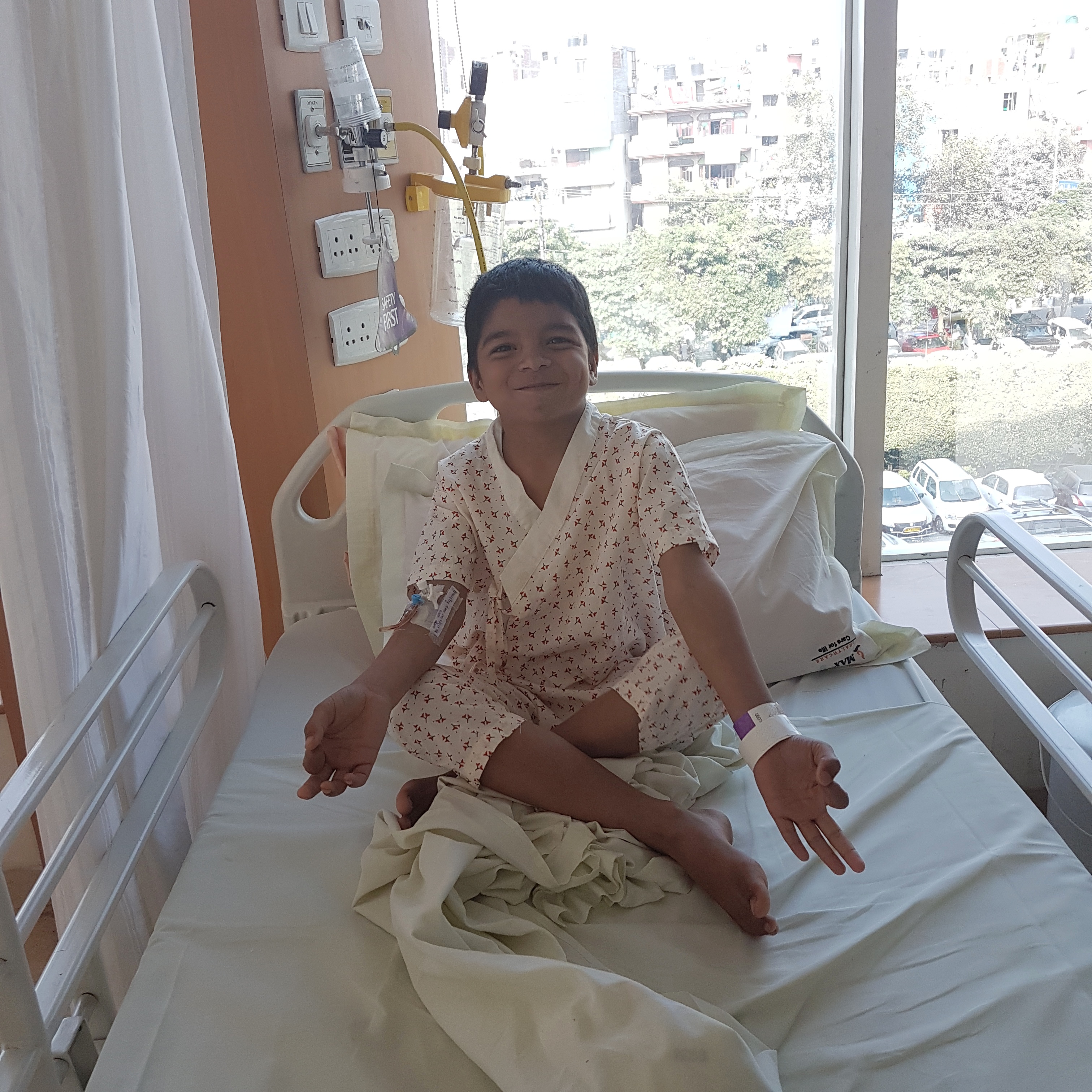
Quality medical facilities to poor people
On the corresponding night of 14 and 15 October 2015, the office phone of Charity Beds rang up. It was unusual for someone to call at such an odd hour but the situation became clear within a few minutes into the call. It was a daily wage labourer calling to seek help from them as his last resort after he tried getting his 10 months old son admitted in different hospitals of Delhi. The little boy was suffering from pneumonia and his condition had worsened during the day but the father could not manage to find a bed for him anywhere.
Immediately after receiving the call, the Charity Beds team pressed into action and ensured that the child was admitted to a good private hospital on priority. After a month long treatment, the boy was discharged from the hospital. The doctors made it clear that a delay of few more hours on that night could have led to the child’s death. However, now he is over three years old and leading a healthy life.
This case is the prime example of how Charity Beds is helping the poor and downtrodden and they are not doing it by individually partnering with a hospital. The organization is helping to spread awareness about the Supreme Court’s direction which makes it mandatory for private hospitals to reserve a particular percentage of beds for the patients coming from Economically Weaker Section (EWS) of the society.
At the same time, the dedicated team of Charity Beds continues to help the patients who approach them in getting admitted at good hospitals so that they also get quality medical facilities. In short, the organization has been spearheading a movement to implement the directions set by the Supreme Court.
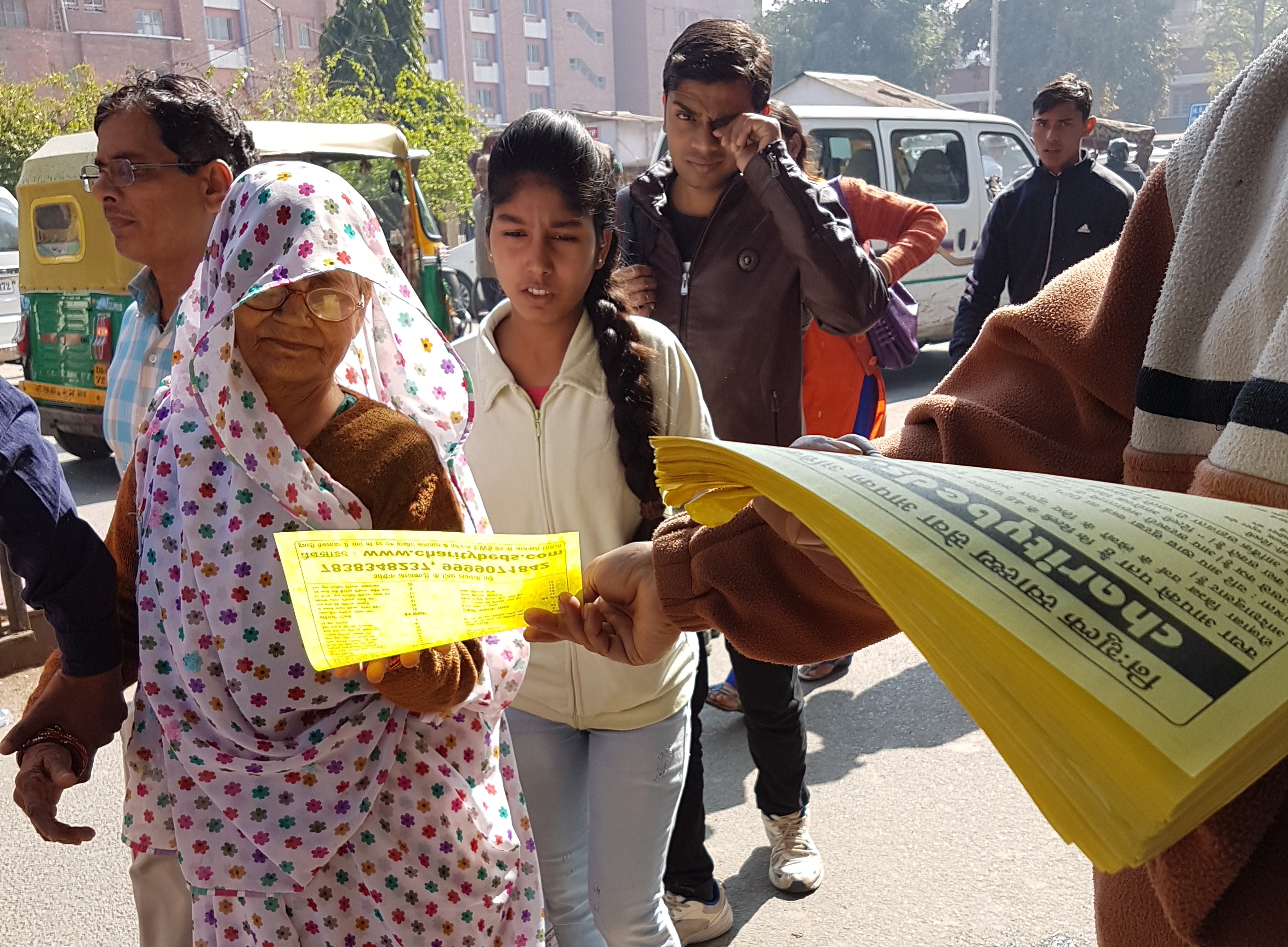
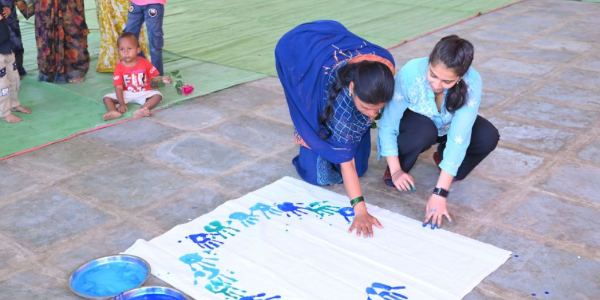
Distribution of pamphlets for spreading health awareness
Charity Beds was founded in the year 2012 and since then the organization has helped a large number of people. A team of volunteers also works extensively to spread the information regarding the SC directive because one of the major reasons why these beds reserved for people from EWS category are not used is the huge information gap.
“Charity Beds is the brainchild of Mr Kapil Chopra, a renowned hotelier who was influenced by his father Dr Ashok Kumar Chopra. Mr. Kapil Chopra got information that many private hospitals in Delhi were given land at a highly subsidized rate by the government on a condition that a certain percentage (10% IPD and 25% OPD) of hospital beds were to be reserved for Economically Weaker Section,” says Mr Gagan Bharti who joined the team in 2013 to take care of its operations.
“He realized that the same was not being implemented and the poor patients were not being able to access their deserved health rights. Moved by the condition of the underprivileged, Mr. Chopra came up with the idea of having an organization which acts as a bridge between the private hospitals and the poor. Hence, Charity Beds was started which makes sure that people from the Economically Weaker Section get free treatment in private hospitals,” Mr Bharti adds.
Before Mr Bharti joined Charity Beds, it was Mr Lalit Bhatia who had come on-board as its first member. To start from the scratch, Mr Bhatia would visit the government hospitals and personally interact with the patients and staff to tell them about their rights. It was because of these efforts that the word started spreading fast and many people began claiming what was rightfully reserved for them. Over the years, these two members have helped in the growth of Charity Beds as an organization which functions for the benefits of the poor.
Currently, the focus of the organization is to continue with what they have been doing so that more and more people are made aware of their rights. Charity Beds, a self-funded organization, is also willing to help others who are working in the same area to guide and assist them in carrying out the same work in different parts of the country. As they move forward, they want to make sure that not even a single bed reserved for EWS category in private hospitals remains unclaimed on any day.
If the story resonated with you, please share
Impact-Story is a series on development and CSR interventions leading to some impacts on the ground. If you have a project, innovation or intervention that has changed the lives of a few people or a community, please share a brief note at csr@ngobox.org. Our Team will get back to you after validating the information for a detailed coverage.

More Stories

CSRBOX is India’s leading CSR knowledge and impact intelligence driven media platform for the development community. It serves as an enabler, encouraging collaboration and partnerships between CSR stakeholders. Here, we connect and inform over three million professionals through our online platform, and bridge information gaps by providing a range of services for Corporate, NGOs and Social enterprises, to enhance their capacities, aid collaboration, plan projects, publish knowledge resources, conduct research, amplify their reach and much more.
Submit CSR News
Please submit your CSR news, CSR impact story ideas to us. Our Team will get back to you within 6-12 working hours. You can also email us at info@csrbox.org© Renalysis Consultants Pvt Ltd. All Rights Reserved | Powered by NGOBOX