Slow Down: United Way Mumbai’s Campaign to Curb Speeding

By
 Karan Desai & Aishwarya Iyer
June 22, 2023
United Way Mumbai
India ranks first in the number of road crash deaths across 199 countries reported in the World Road Statistics, 2018, followed by China and the US. India accounts for almost 11% of road crash-related deaths in the world. According to the Ministry of Road Transport and Highways Report, 2021, road crashes killed almost 1.53 lakh people annually in India. Over-speeding is a major cause of these crashes, accounting for 71.7% of them as well as resulting in 69.6% deaths and 72.9% injuries.
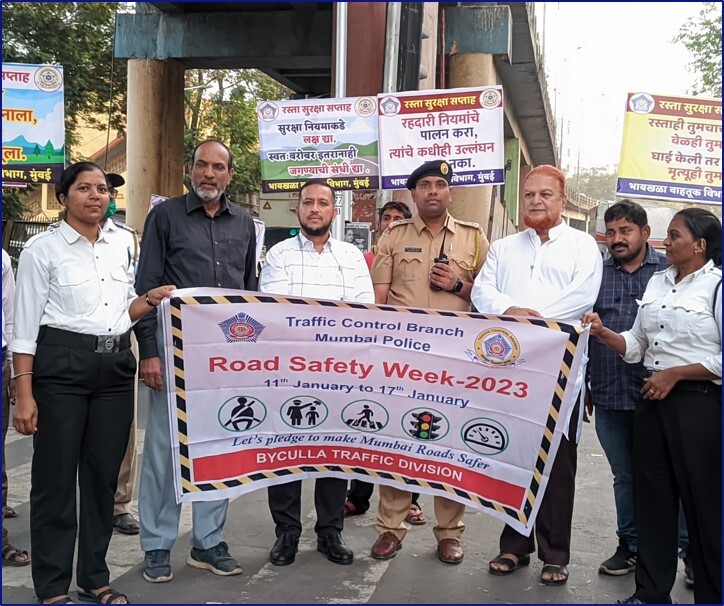
Recognizing the pressing need for road safety, United Way Mumbai commenced interventions under the aegis of their project United for Road Safety. Their Slow Down campaign supported by Global Road Safety Partnership (GRSP) advocates and encourages the need to respect speed limits on city roads and aims to enhance road safety with a focus on public mobility, and speed management policies.
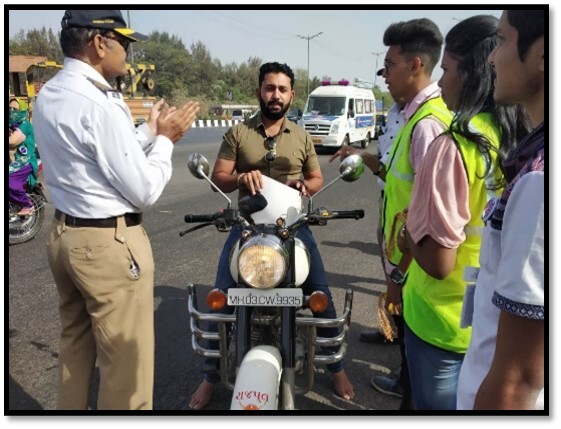
The campaign aims to support the implementation of the Motor Vehicle Act in Maharashtra, specifically targeting speeding and enforcement of speed management in Mumbai. It also aims to raise awareness about curbing speeding through Slow Down campaigns.
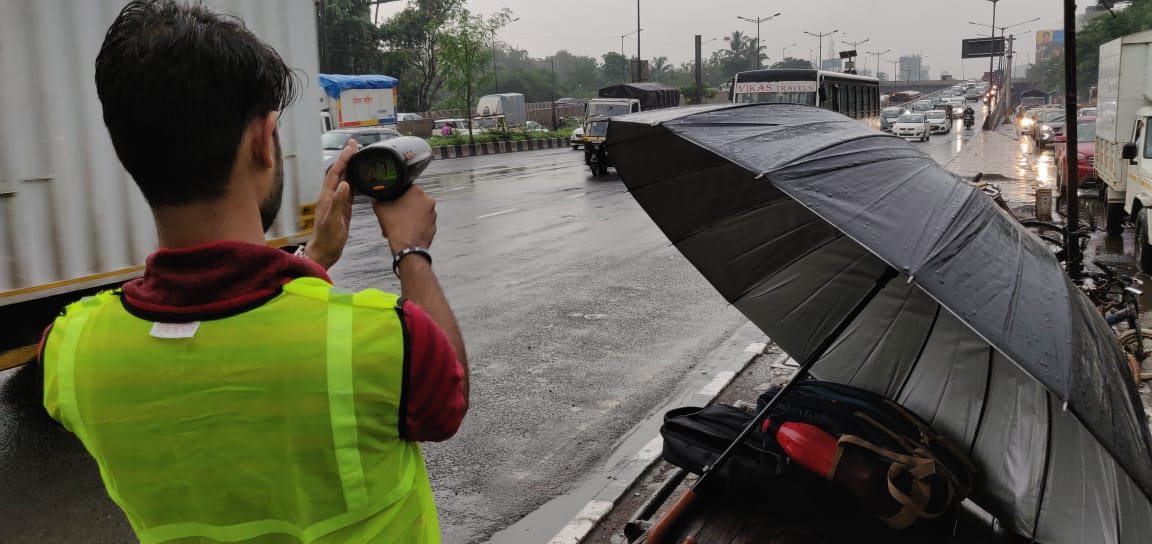
United Way Mumbai partnered with the Traffic Control Branch, Mumbai Police, Motor Vehicle Department, Government of Maharashtra, and Indian Institute of Technology Bombay to conduct a speed observation study called ‘Slow Down’, which identified causal factors of speeding at 20 accident-prone areas in Mumbai and recommended speed calming measures. The study also provided evidence of over-speeding to the Mumbai Traffic Police for implementing suitable enforcement measures.
The study report provides an assessment of the road conditions at the select 20 locations in terms of enforcement and engineering factors that contribute to road accidents and makes recommendations for improvement.
Some of the key findings from the study with respect to enforcement include- only 7 out of 20 spots posted speed limits, critical road signages such as ‘Speed limit’, ‘Crash prone spot’, and ‘merging section ahead’ were missing at 11 locations, and placed inappropriately at 2 locations. Additionally, side friction was observed at 7 locations due to the illegal roadside parking and pedestrians were seen walking on the carriageway instead of the footpaths at 7 locations (encroached footpaths).
The study recommends addressing these by deploying traffic wardens for regulating traffic during peak hours, controlling vendor encroachment on the road to avoid side friction, using CCTV surveillance to check and impose fines on culprits of rash driving and speeding, and regulating undisciplined parking.
A few common observations that the study notes with respect to engineering factors include- an absence of road/lane markings at 17 locations, poor visibility at night at 3 locations, inadequate road signs at 11 locations, potential conflict points at merging sections in 6 locations, and good road conditions coupled with straight stretch results in over-speeding of vehicles.
The study makes several recommendations to improve engineering aspects. These include the installation of signboards and adequate road signs, painting of road markings, marking for pedestrian walkways, zebra crossing, and controlled pedestrian walkways with advance warning signs. Further, it recommends the installation of ‘accident-prone spot’ boards at least 50 meters ahead of the spot and at the spot and the installation of informatory sign boards at 100-metre and 50-metre intervals to guide and direct road users. In addition to these, speed-calming measures such as speed humps, and rumble strips must be installed wherever they are missing. A continuous stretch of well-maintained footpath is needed to discourage pedestrians from walking on the carriageway where the chances of conflicts are high. The study also recommends the removal of pavement distresses such as potholes and rutting (grooves), re-painting of medians with retro-reflective paint to improve visibility at night, and smoothening uneven road surface approaches to flyovers with proper markings at ascending and descending spots of the flyovers.
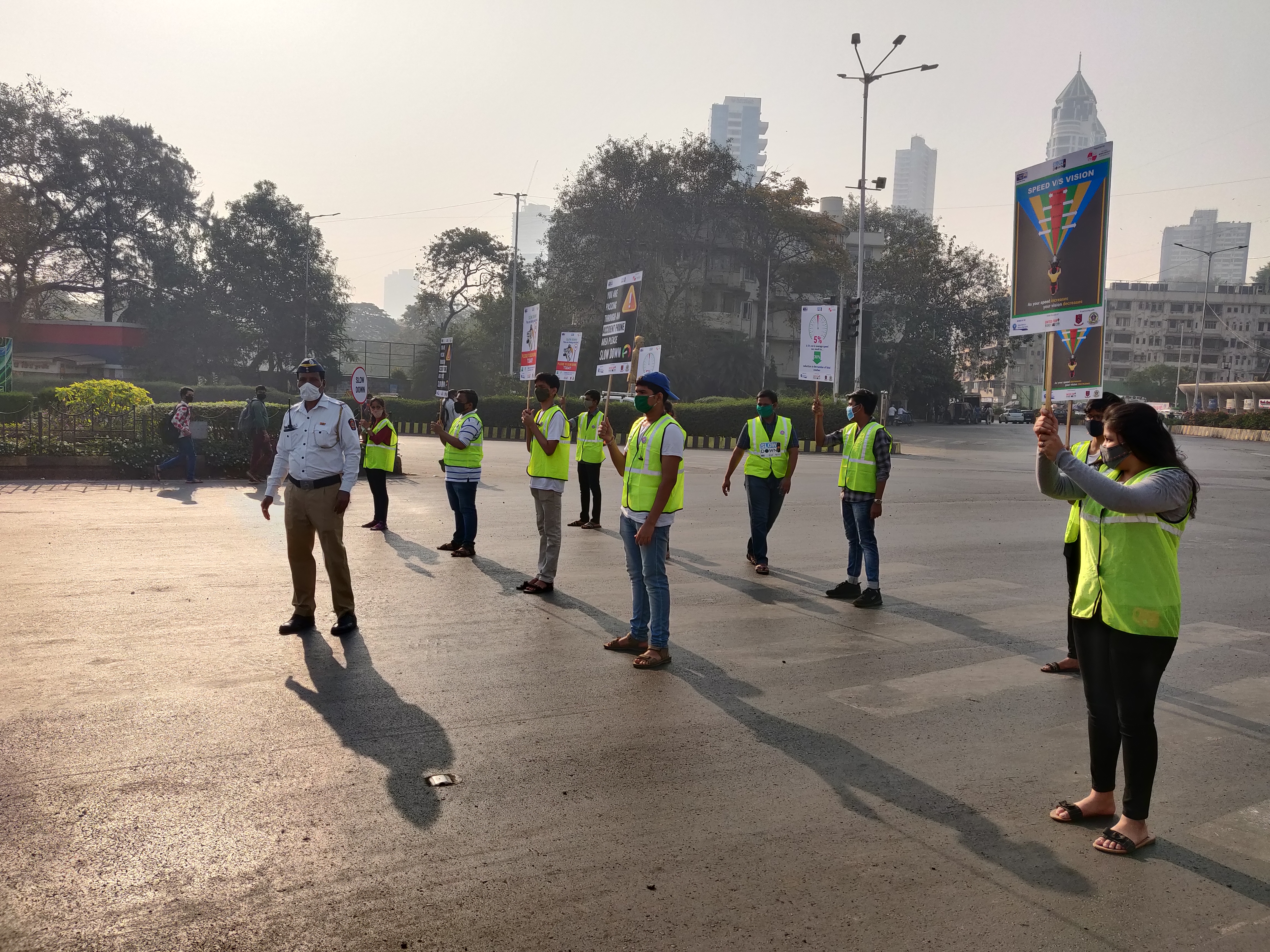
In addition to the study, the Slow Down campaign sensitizes motorists and citizens through mass awareness drives. Furthermore, Road Safety Advocacy Clubs (RSAC) comprising over 200 citizens have been formed around all the 20 black spots. The RSACs help local authorities understand the reasons for speeding at specific spots and educate motorists on the importance of slowing down through awareness activities. They recommend infrastructure improvements to facilitate speed limit enforcement. They also hold regular meetings to discuss road safety issues and implement interventions based on the speed observation report. Furthermore, they follow up with relevant authorities to ensure the implementation of road safety recommendations.
The RSAC club members can be a potential local resource for the Mumbai Traffic Police. In one instance, an RSAC member was quick to act when he noticed a dysfunctional signal at Mazgaon, Dockyard. He immediately informed the concerned official and got it repaired.
United Way Mumbai will continue to support RSACs to advocate for road safety in their neighborhoods. They aim to support the local authorities in the implementation of the study recommendations for enhancing road safety in Mumbai. They are hopeful the learning from the campaign would be helpful in developing the speed management policy at the state and national levels.

More Stories

CSRBOX is India’s leading CSR knowledge and impact intelligence driven media platform for the development community. It serves as an enabler, encouraging collaboration and partnerships between CSR stakeholders. Here, we connect and inform over three million professionals through our online platform, and bridge information gaps by providing a range of services for Corporate, NGOs and Social enterprises, to enhance their capacities, aid collaboration, plan projects, publish knowledge resources, conduct research, amplify their reach and much more.
Submit CSR News
Please submit your CSR news, CSR impact story ideas to us. Our Team will get back to you within 6-12 working hours. You can also email us at info@csrbox.org© Renalysis Consultants Pvt Ltd. All Rights Reserved | Powered by NGOBOX