
Subscribe to our Weekly Newsletter
More Organizations
Last Updated on May 13, 2021
Operation in state
Thematic Areas
Tax Compliance Eligibility

Established In 1992
Registration No. :CSR00000319
About the organization
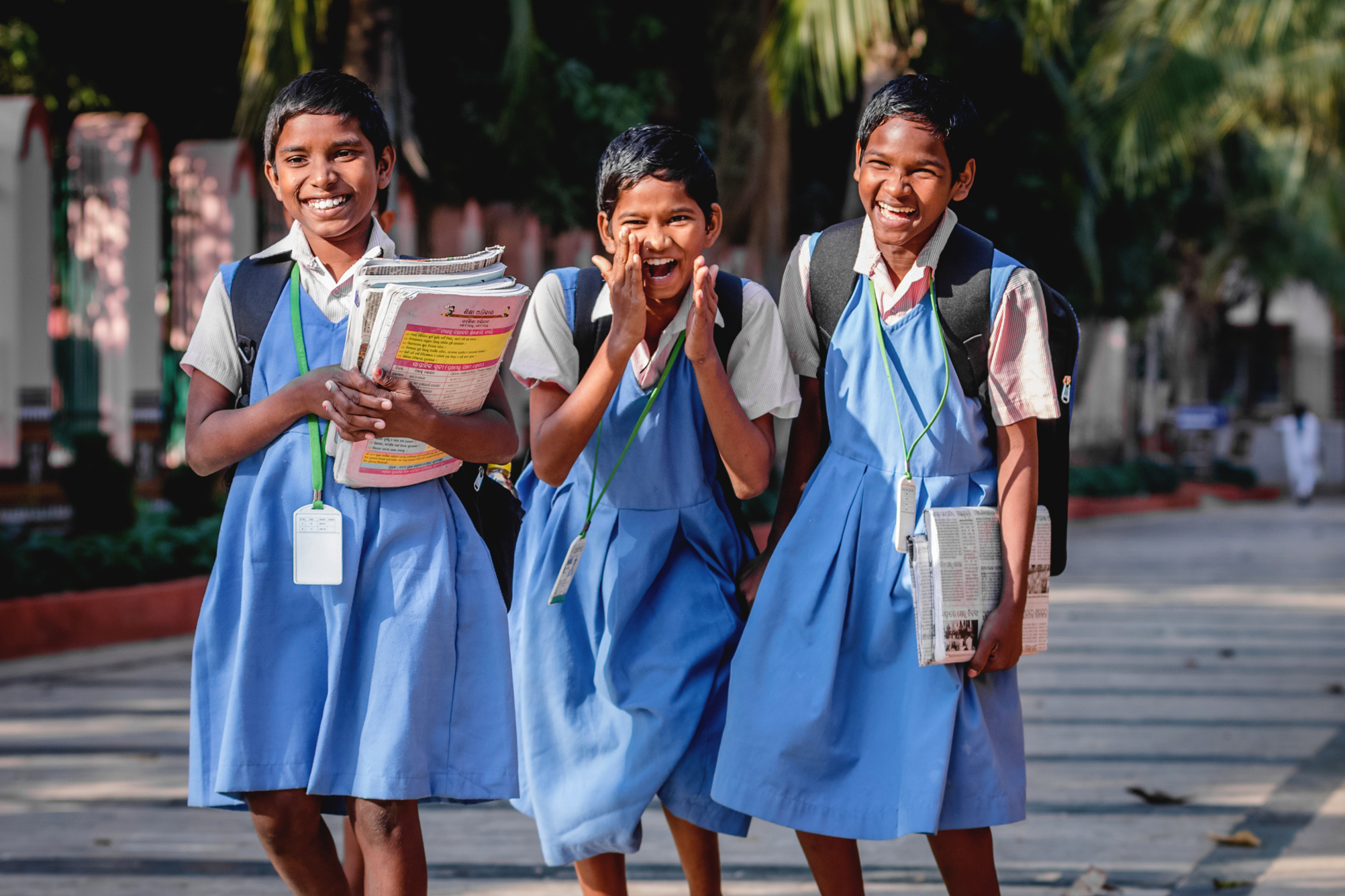
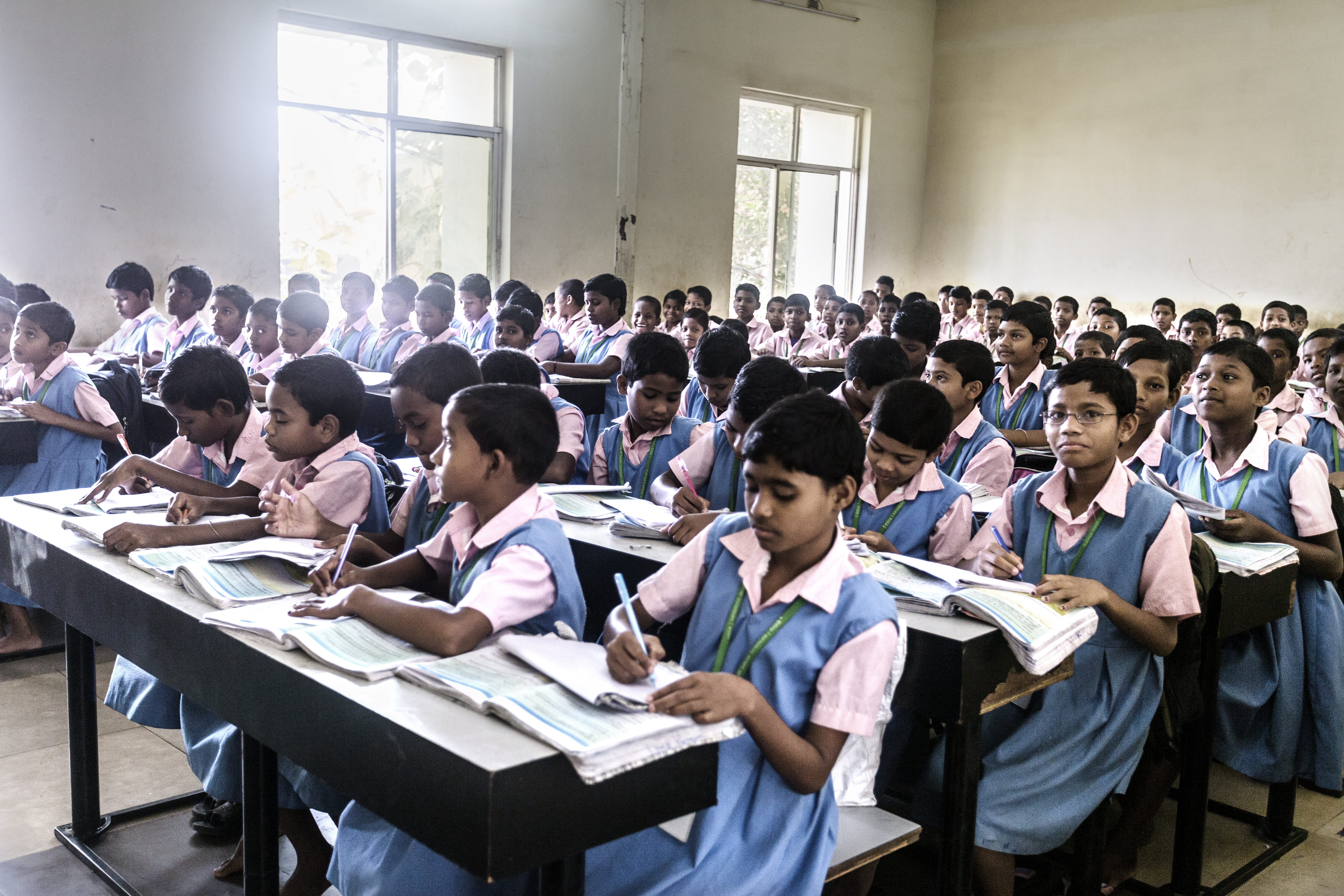
In 1993, Kalinga Institute of Social Sciences (KISS) started with only 125 poor tribal children in a rented house at Bhubaneswar, Odisha. At present, there are 27,500 students at KISS, of which 60% are girls of which 10,000 students are enrolled in its various satellite centers, while 12,500 have already graduated. The students of KISS have excelled in academics and co-curricular activities and have achieved accolades from India and Abroad on different occasions. The students enrolled in KISS are first-generation learners; however, they are no less than their counterparts studying in public schools. It shows that if an opportunity is given to the underprivileged children, they can excel. Ministry of HRD, Govt. of India has declared KISS a Deemed to be university, making it the first tribal university in the world and will help the institute achieve a place of prominence in the entire world. Today the principle of “Eradicating hunger through Education” is the motto of each and every Country, policymaker including the objective of the United Nations Sustainable Development Goals (UNSDG). KISS is the biggest anthropological laboratory in the world and the best model to fulfill all the objectives of the Sustainable Development Goals (SDG) in true sense and spirit. KISS has myriad tribes studying and their rich heritage, culture, music, dance, and practices are experimented, maintained and augmented in the most appropriate manner. Today, when India is ranked 97th out of 118 countries on the international food policy Research Institute’s (IFPRI) Global Hunger Index (GHI) in 2016, KISS is trying in its small way to mitigate hunger and make a difference in the life of 27,500 existing students, 12,500 alumni, and 10,000 KISSians enrolled in its various satellite centers.
The students of KISS have participated and won in Asiad, Commonwealth, South Asian Federation Games, and many other prestigious sports events.
KISS, a fully residential institute from KG to PG, is unlike any other campus in the country, with a student’s body that stands at over 27,500 children. Students are diverse age groups having their unique learning, physical, nutritional and social needs ensuring the best outcome from the students.
Campus-1: Academic block (school- for LKG to class X;) Science Laboratory; Administrative Block (school;) computer centers(8 Nos); School Library; Science Park; Girls Hostel; Mega Kitchen; Dining Hall; Playground; Dispensary; Conference Hall; Project Offices; Water plants;Biogas plant; and staff quarters.
Campus-2: Vocational Training centres(Farm & NOn-Farm); skill unit; Boys Hostel (college); KItchen; playground(3 NOS); Sports Facility (3 playground, Archery, Basketball court, Lawn Tennis court); Fishery farm; mechanized Laundry; Biodiesel unit; solar power plant, vermicompost production unit; and open-air theatre with open gallery (30000 capacity).
Campus-3: (Higher Education campus of KISS university ): Academic Block (College- for +2,+3,PG,Ph.D.); Administrative Block (college); World-class Library-cum-Reading Room; Magazine Lounge; E-library; Exclusive Girls Hostel; Kitchen; Dining Hall (12,000 capacity); sewerage treatment plant; Rainwater Ground Recharge System; and RoofTop garden.
Special features of the organization
Why should a corporate partner with organization?
A successful partnership depends on a shared goal: Aligned objectives that go beyond fundraising can create a relationship that is beyond contractual, that dreams, make mistakes, grows and learns together.
KISS can help corporate businesses to understand their social impact: It is observed that most of the corporate respondents stated that corporate-KISS partnerships have improved business understanding of social and environmental issues and that their business practices have been changed for the better as a result.
KISS can help corporate businesses to understand their social impact: It is observed that most of the corporate respondents stated that corporate-KISS partnerships have improved business understanding of social and environmental issues and that their business practices have been changed for the better as a result.
The corporate can help KISS to scale faster: When non-profits and for-profit companies work together they can create something bigger than they would alone. Corporates understand shared risks and are responsive to addressing these risks. Scale can be created through advocacy as well as programs.
Maintain transparency: Both sides of a partnership can bring in transparency by acting as a critical friend. There is cultural exchange at the beginning of a partnership to tease out how each other works and how we might best work together on a day to day basis is very useful.
KISS can be helpful in solving any Industrial issue in the most effective and efficient ways: Buy-in from the top can ensure that a company fully commits to a partnership. It is necessary to make the business case to show that it is relevant or solves an industry issue but thinking laterally about the wider advantages can also help.
Ensure the proposed relationship meets with ethical guidance: The company may not be ready to commit today but as their sustainability programs evolve, they reengage a year or more down the line and are able to bring the partnership to full commitment.
KISS recognizes and Understand the Company’s Values: Company’s values Cannot be adjudged from its website alone. Corporate businesses like to ensure that NGOs understand their values - their business value chain, social value, and culture - and integrate them into the partnership. They do not like someone quoting back their websites for wrong reasons.
Governments have a role to play: Government support can foster fantastic partnerships, by creating an enabling environment in the public sector - through regulation and co-ordination. The involvement of the Government of India through the formulation of a CSR Policy for the Companies, to oversee the Community development in a partnership model with the Corporate. As mentioned by United Nations Industrial Development Organization (UNIDO), CSR is generally understood as being the way through which a company achieves a balance of economic, environmental and social imperatives ("Triple-Bottom-Line- Approach"), while at the same time addressing the expectations of shareholders and stakeholders.
Social Impact of the Organization is visible and Quantifiable: Input refers to the value of the resources in, Outcome refers to the number of people reached and Impact refers to the long term change, the business creates an impact through branding, marketing, and employee engagement – and they allow KISS to measure social impact.
Chief Functionary
Contact
Project Detail of Organization

Other organisations
Other products
More Organizations

CSRBOX is India’s leading CSR knowledge and impact intelligence driven media platform for the development community. It serves as an enabler, encouraging collaboration and partnerships between CSR stakeholders. Here, we connect and inform over three million professionals through our online platform, and bridge information gaps by providing a range of services for Corporate, NGOs and Social enterprises, to enhance their capacities, aid collaboration, plan projects, publish knowledge resources, conduct research, amplify their reach and much more.
Submit CSR News
Please submit your CSR news, CSR impact story ideas to us. Our Team will get back to you within 6-12 working hours. You can also email us at info@csrbox.org© Renalysis Consultants Pvt Ltd. All Rights Reserved | Powered by NGOBOX


.png)


.jpg "Science & STEM Park Products")


